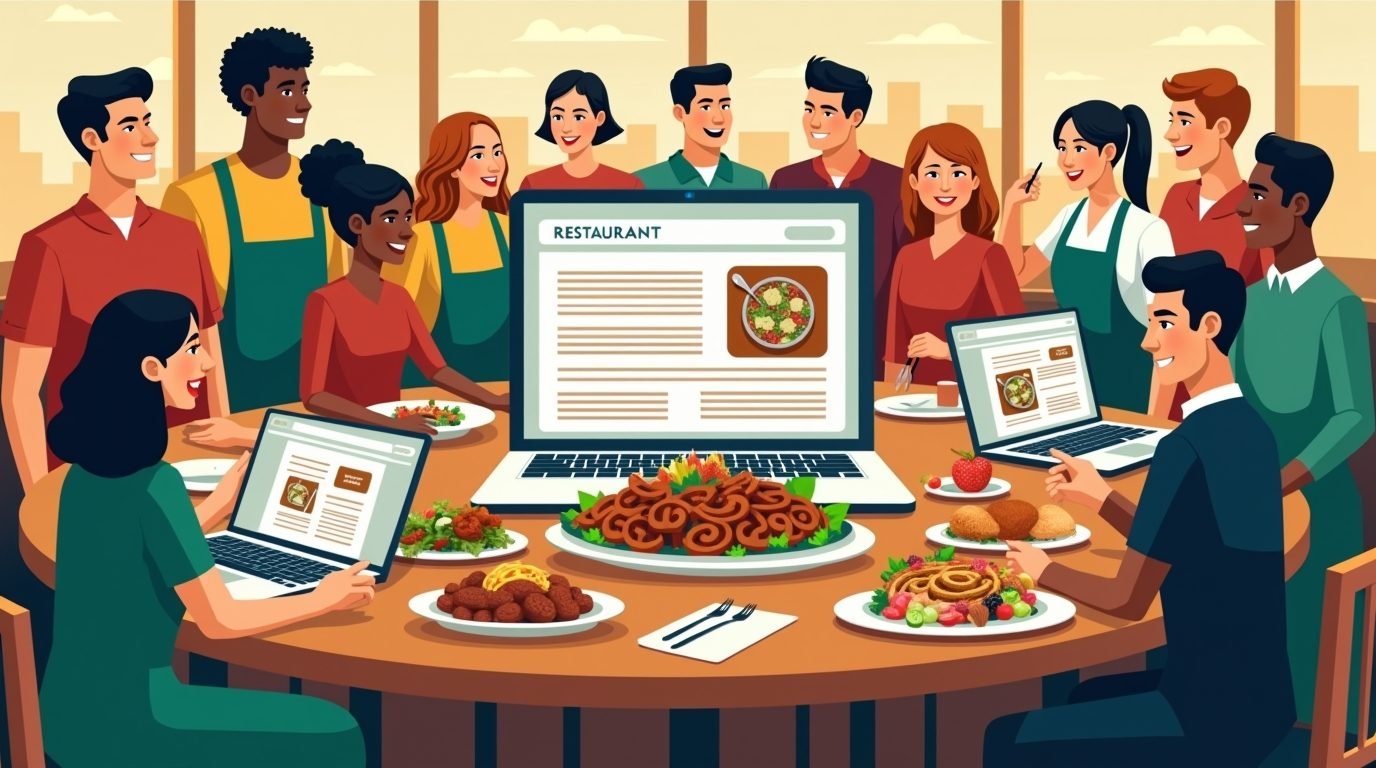
Your restaurant’s website has progressed much beyond an online menu and contact page in today’s fast-paced, tech-driven world. Actually, your website could be your best “waiter”—ever-vigilantly drawing in customers, informing them of specials, and encouraging them to make reservations—without ever taking a break or forgetting an order.
Think of your website as an integral part of your team’s frontline operations if you haven’t already. This is the reason behind it: investing in professional SEO services for restaurants ensures your site not only looks great but also reaches hungry customers actively searching online.
1. The First Impression is Digital
Think about the last time you searched for a place to eat. Chances are, you pulled out your phone or laptop and typed in something like “best Italian food near me” or “vegan-friendly restaurants downtown.” Your website was probably one of the first stops.
In many cases, your website is the first interaction a potential customer has with your restaurant. If your site looks outdated, is hard to navigate, or doesn’t provide key information like your hours, location, or menu, you’re already losing business. A sleek, user-friendly website is like a well-groomed, attentive waiter—it sets the tone for what customers can expect.
2. Available 24/7, No Breaks Needed
Unlike human waiters, your website doesn’t need sleep, coffee breaks, or vacation days. It’s always on, ready to greet visitors, answer their questions, and showcase what you offer. This round-the-clock availability means potential customers can learn about your restaurant anytime they want, even after hours when your phone might not be staffed.
Think about all the questions a guest might have: What are your opening hours? Can I book a table online? Your website can answer these instantly without the need for a call or wait time.
3. Your Menu, Perfectly Presented
A menu is arguably the most important aspect of any restaurant, but how often do you encounter outdated menus online or menus that don’t load well on mobile? Your website lets you present your offerings clearly and attractively.
You can include detailed descriptions, mouth-watering photos, and even highlight specials or seasonal dishes. An easy-to-navigate menu helps diners decide before they arrive, speeding up the ordering process and increasing satisfaction. And with online ordering integration, your website can even take orders directly—no need to wait for a waiter to jot it down.
4. Building Trust and Credibility
A well-designed website builds trust. It shows customers that you’re a legitimate business that cares about quality and professionalism. Including customer reviews, press mentions, awards, or certifications on your site can boost your credibility even more.
Think of your website as a friendly, knowledgeable waiter who can recommend the best dishes and reassure guests about the quality of the food and service. The more confident customers feel before they even walk through your doors, the more likely they are to become loyal patrons.
5. Showcasing Your Unique Brand and Story
Every restaurant has a story—whether it’s a family recipe passed down through generations, a commitment to sustainability, or a passion for local ingredients. Your website is the perfect place to tell that story and make a connection with your audience.
Including a compelling “About Us” page, chef bios, or behind-the-scenes photos can humanize your brand and differentiate you from competitors. This emotional connection encourages customers to choose your restaurant over others.
6. Driving Reservations and Sales
Modern websites don’t just inform—they convert. With the right tools, your site can enable customers to make reservations instantly, sign up for newsletters, or order food for delivery and pickup. These features reduce friction and make it easier for customers to interact with you.
Online reservation systems are especially powerful. Your staff from taking calls and managing bookings manually, reducing errors and no-shows. Plus, you can collect valuable data on your guests’ preferences and visit history, which helps you personalize marketing and improve service.
7. Leveraging SEO to Attract Local Diners
A beautifully designed website is just the start. To really shine online, your site needs to be optimized for search engines (SEO). When done right, SEO ensures your restaurant appears near the top of search results when hungry locals are looking for places to eat.
This involves optimizing your site’s content, metadata, loading speed, mobile-friendliness, and more. It also includes managing your online presence on platforms like Google My Business, Yelp, and TripAdvisor.
In essence, SEO turns your website into a powerful digital waiter that actively brings new customers through the door by making sure they can find you easily.
8. Engaging Through Content and Social Proof
Beyond just a static brochure, your website can host blogs, recipes, event calendars, and special promotions. This kind of engaging content keeps visitors coming back and increases your visibility online.
You can also integrate your social media feeds to showcase real-time updates, customer interactions, and vibrant community engagement. Featuring user-generated content such as customer photos or testimonials acts like a glowing recommendation from other diners—a virtual “waiter” vouching for your restaurant’s quality.
9. Reducing Operational Strain
With more customers booking tables, ordering food, or finding answers online, your staff can focus more on delivering excellent in-person service. Your website effectively handles many routine inquiries and transactions, your team to provide a better dining experience.
In this way, your website doesn’t just act as a virtual waiter—it improves the entire customer journey from discovery to dining.
10. Tracking Performance and Improving
Unlike a human waiter, your website collects data on visitor behavior, popular menu items, peak traffic times, and more. These analytics give you insights into what’s working and what needs improvement.
You can track where visitors come from, which pages they visit, and how long they stay. This data allows you to continuously optimize your website, tailor your marketing strategies, and ultimately increase revenue.
Conclusion
Your restaurant’s website isn’t just a digital placeholder—it’s your most reliable, consistent, and effective “waiter.” From creating first impressions and answering customer questions to driving reservations and showcasing your brand’s story, your website works tirelessly behind the scenes.
Investing in a professional, user-friendly, and optimized website means investing in your restaurant’s future. So next time you think about staff training or customer service improvements, don’t overlook the power of your digital front-of-house. Your best waiter might just be waiting online.