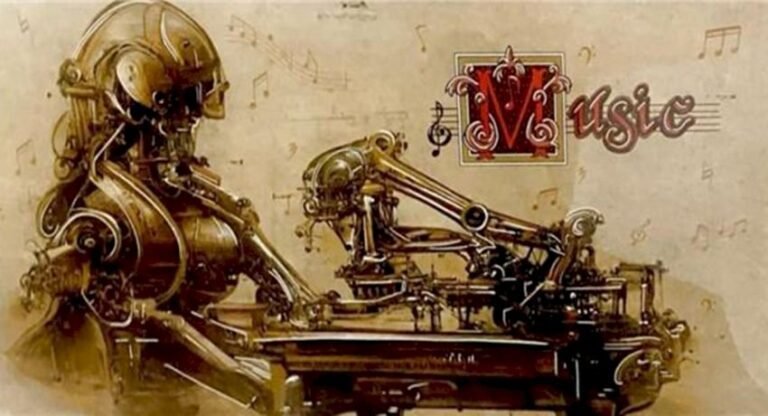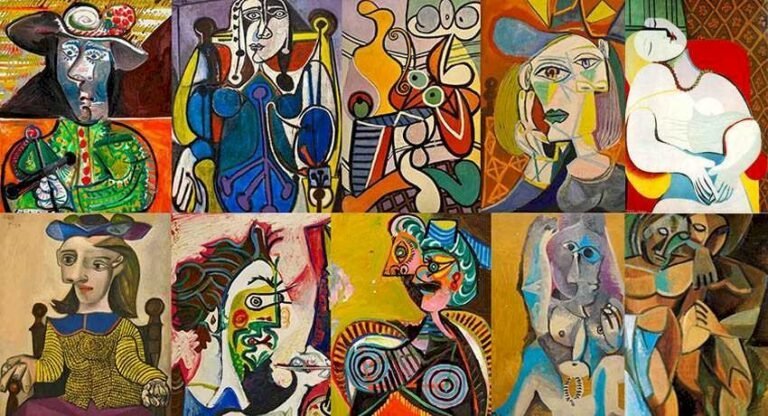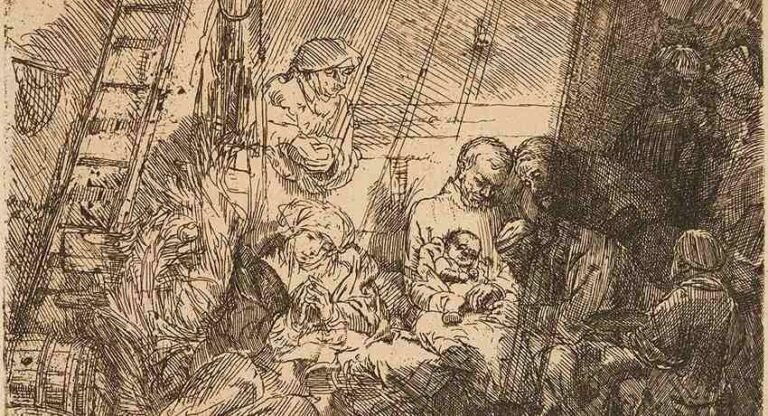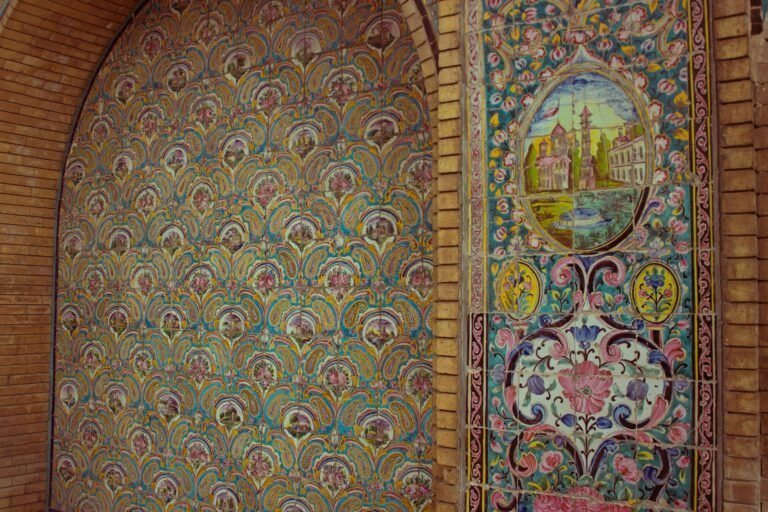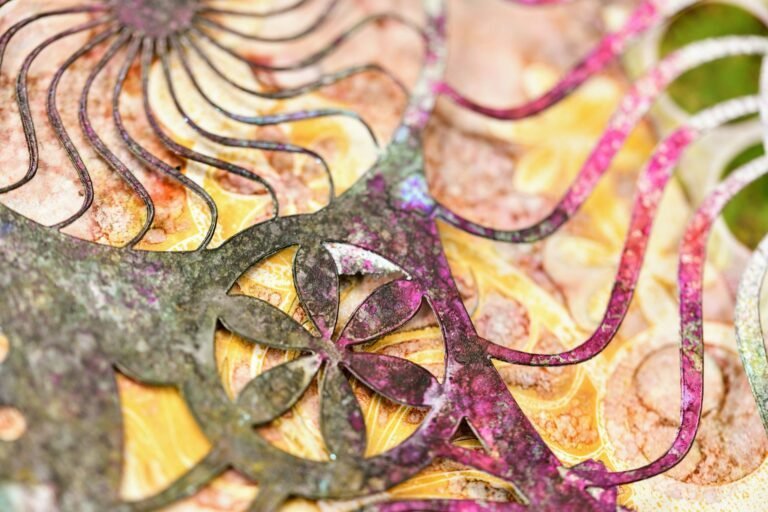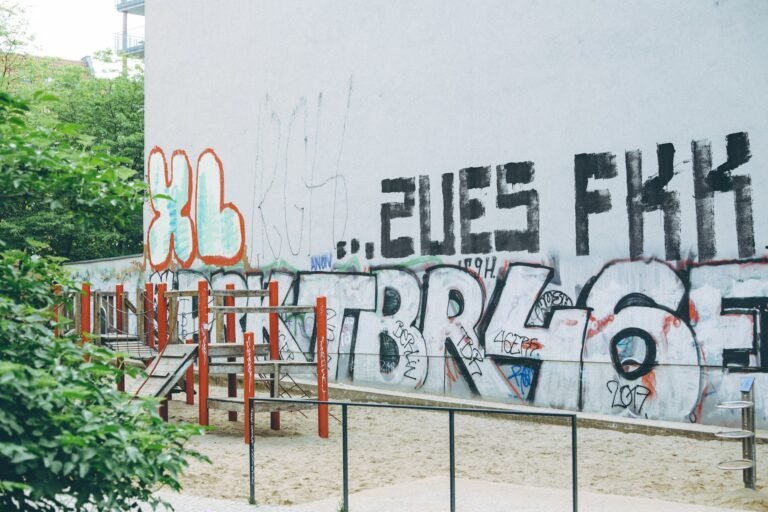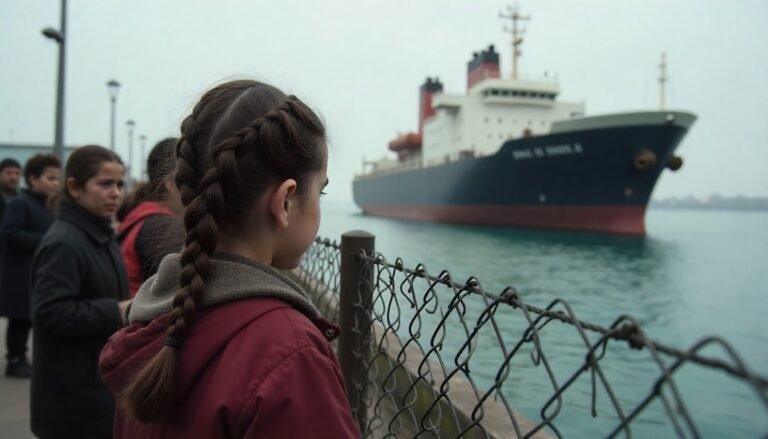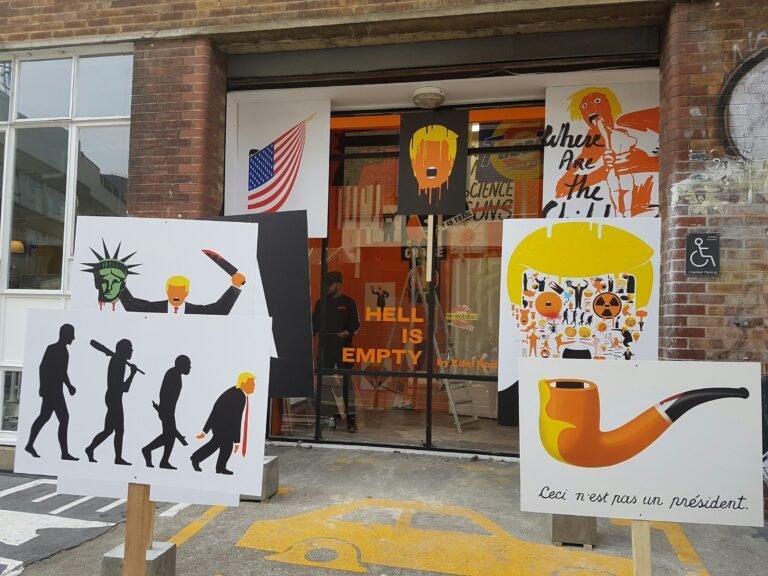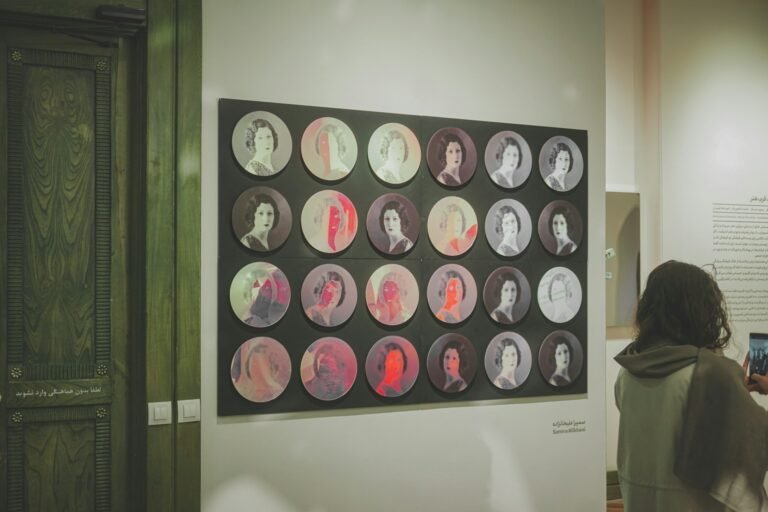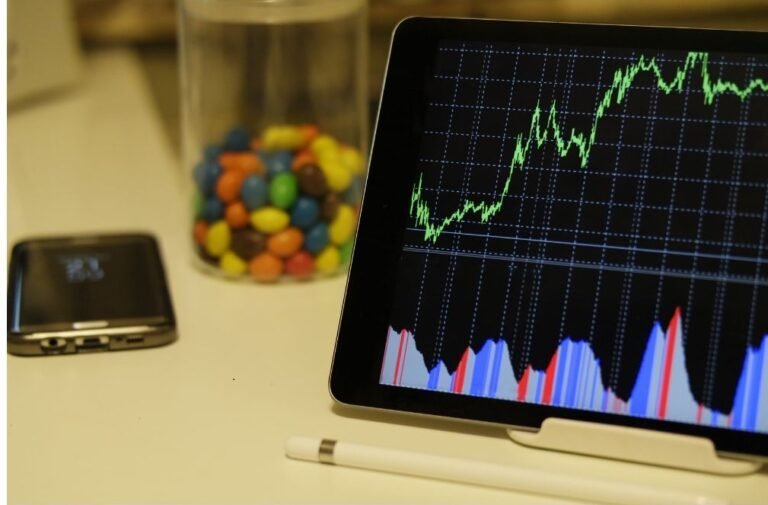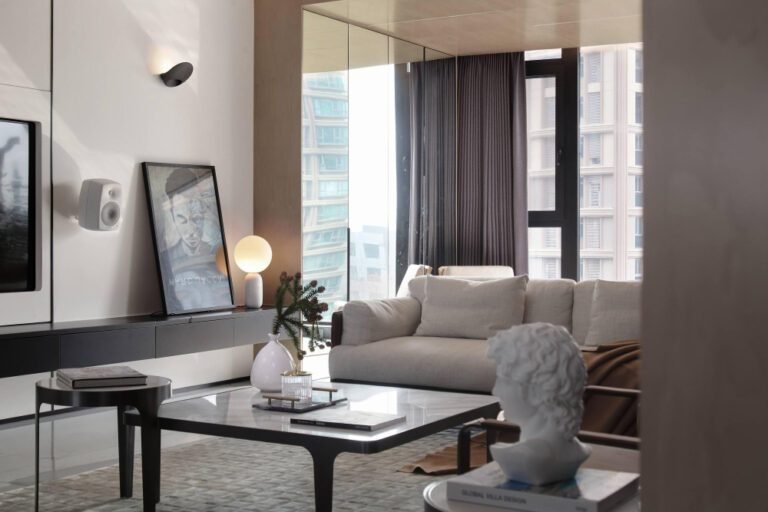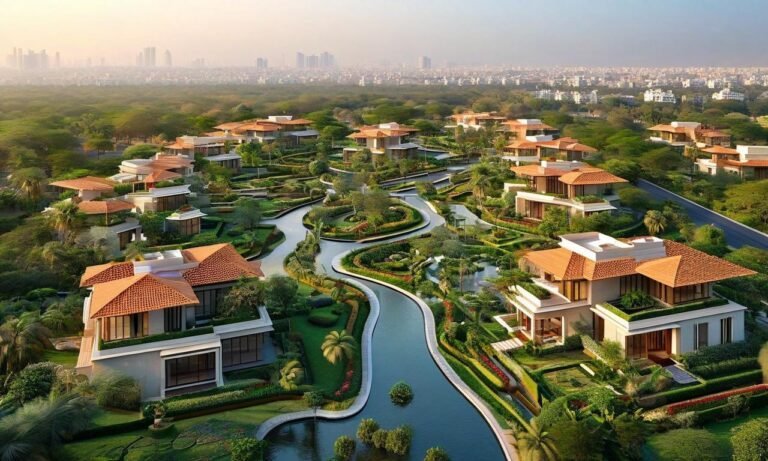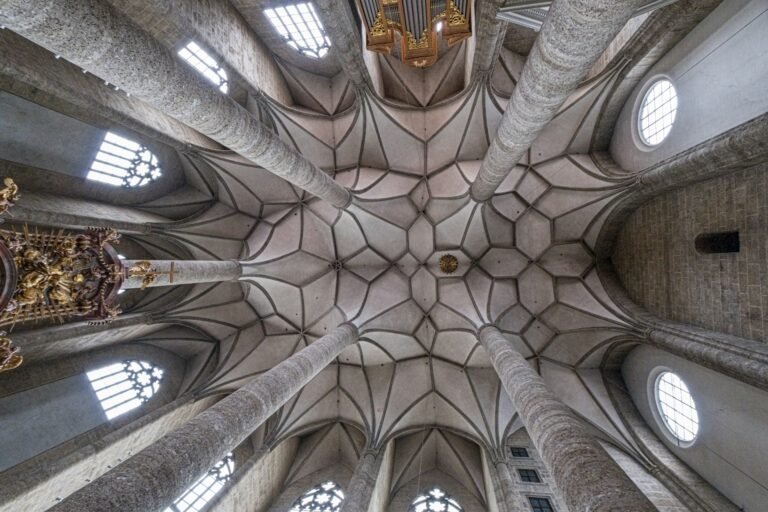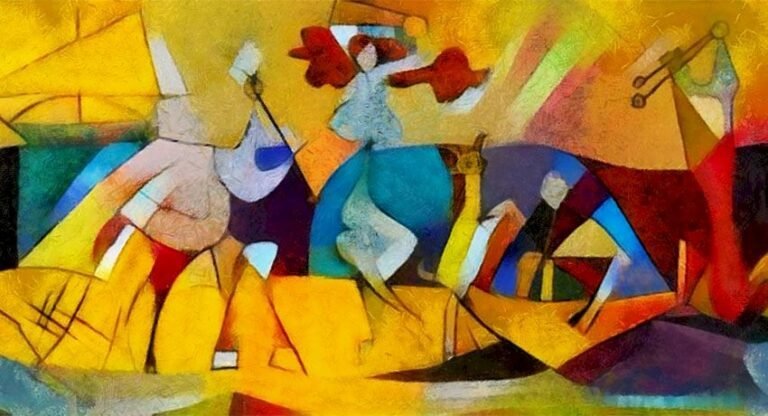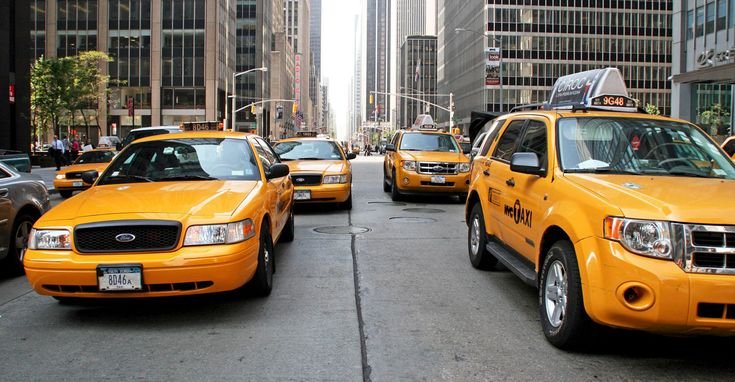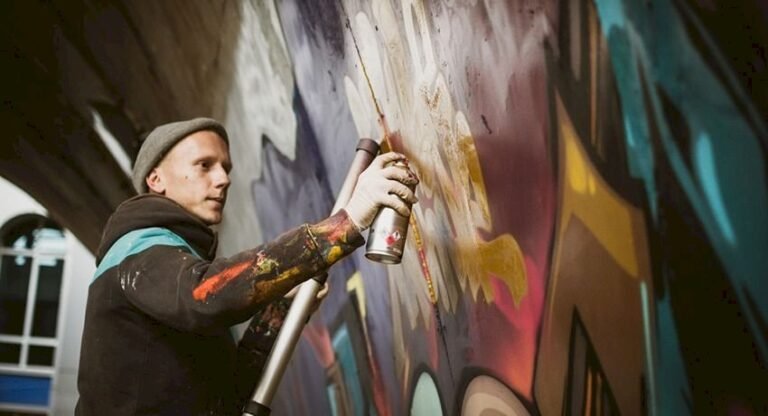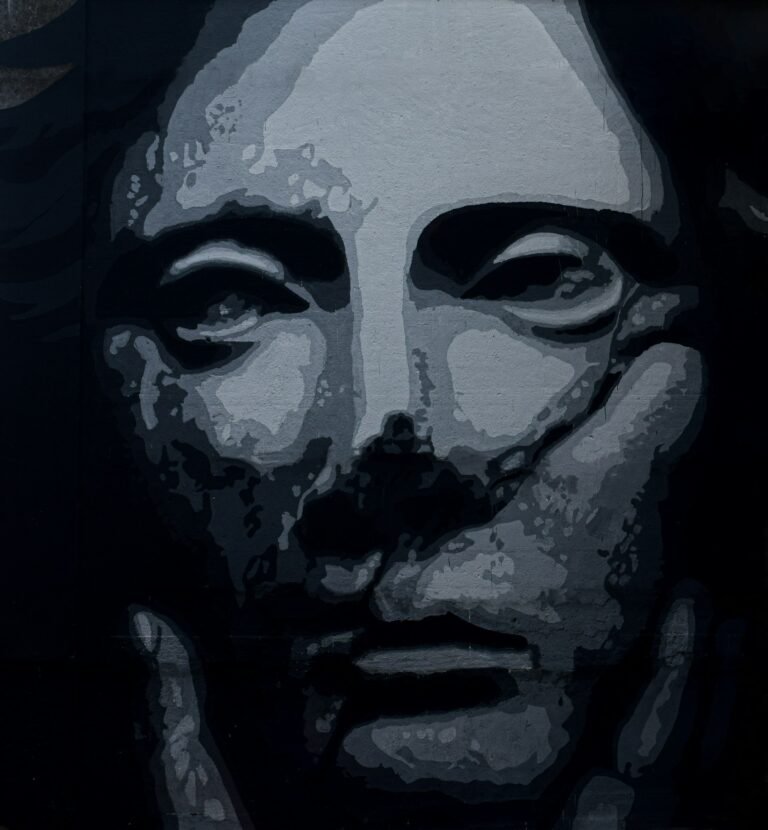
Visual rhythm in art is a fundamental principle of art that refers to the repetition of visual elements such as lines, shapes, colors, textures, and spaces in a way that creates a sense of organized movement within an artwork. Much like rhythm in music, visual rhythm in art guides the viewer’s eye across the surface of the artwork, establishing a visual tempo and flow. It helps create harmony, unity, and balance while also adding energy and interest to a composition. Without rhythm, an artwork may appear static, disorganized, or visually dull. Rhythm gives life to visual forms and connects different parts of an artwork into a cohesive whole.
At its core, visual rhythm in art relies on repetition and variation. When an artist repeats certain elements, the viewer begins to anticipate patterns, which creates a sense of order. However, if repetition is too uniform, the artwork may become monotonous. To avoid this, artists introduce variation in size, color, spacing, direction, or intensity. This balance between repetition and variation creates dynamic rhythm, keeping the viewer engaged. Visual rhythm in art is therefore not merely about copying the same form again and again, but about creating a controlled sequence that feels natural and expressive.
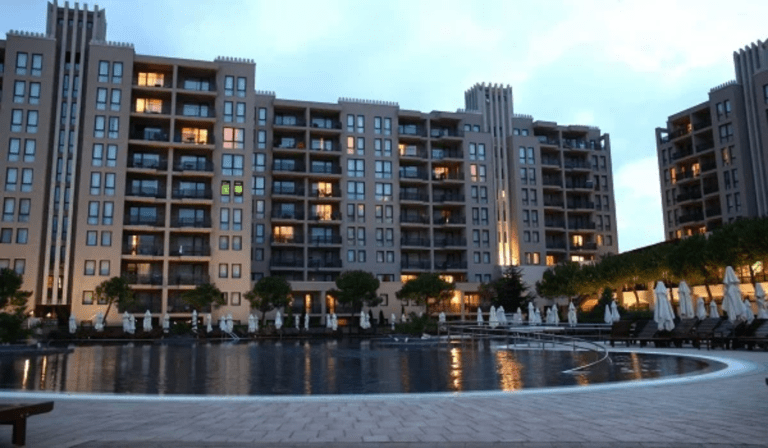
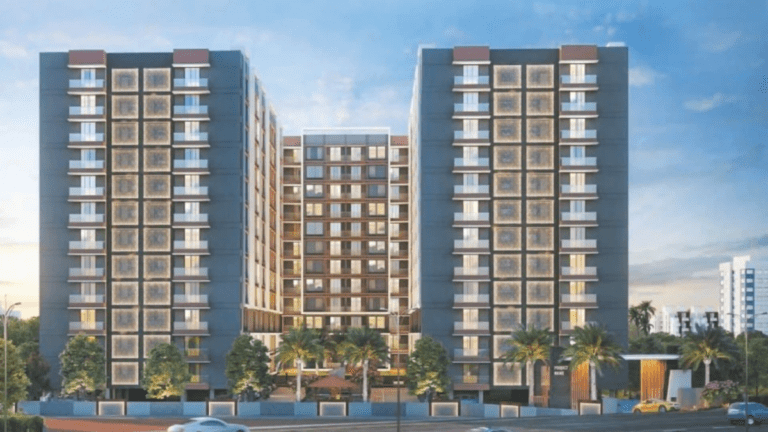
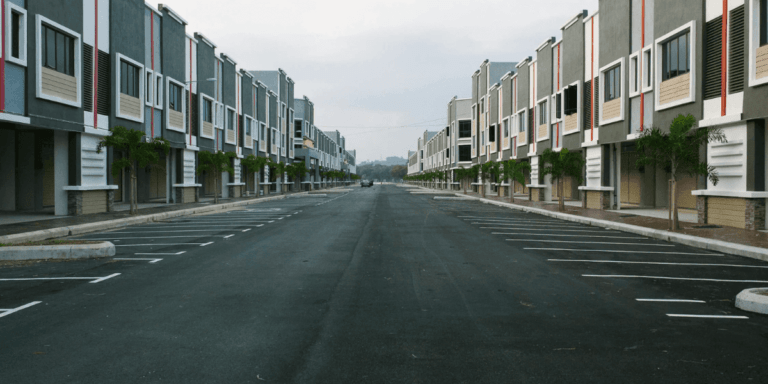
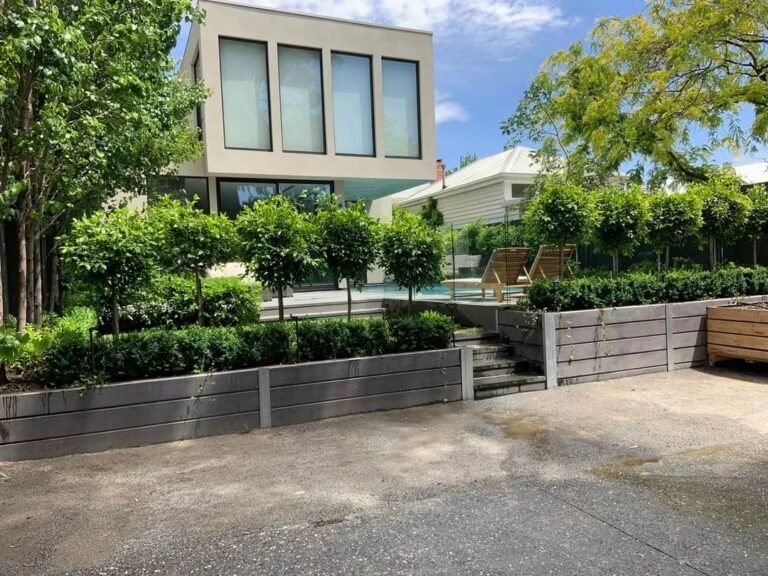
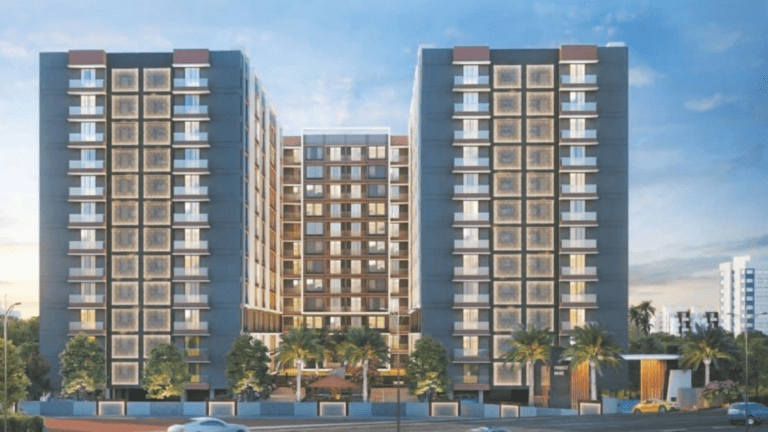
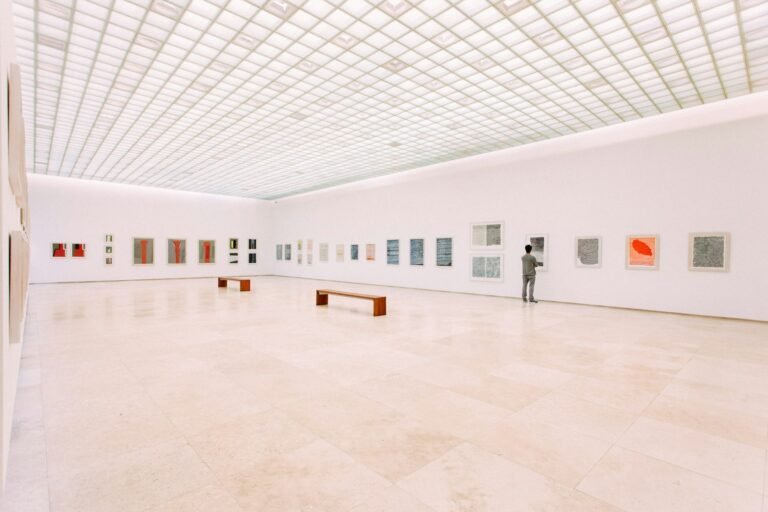
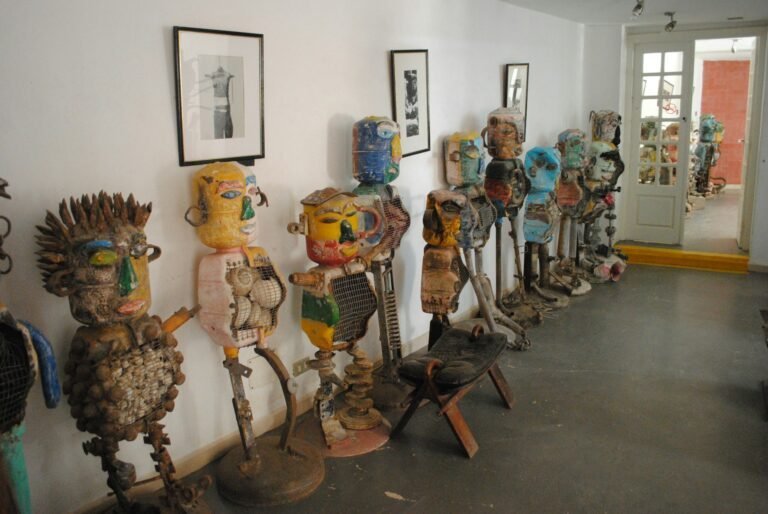
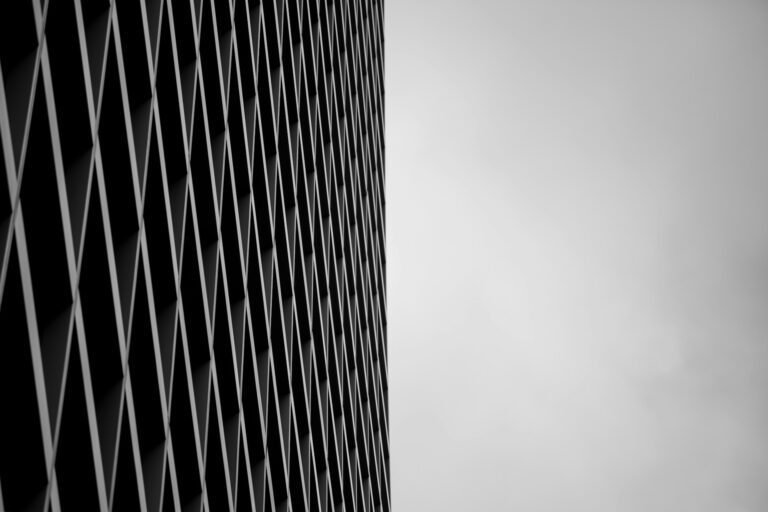
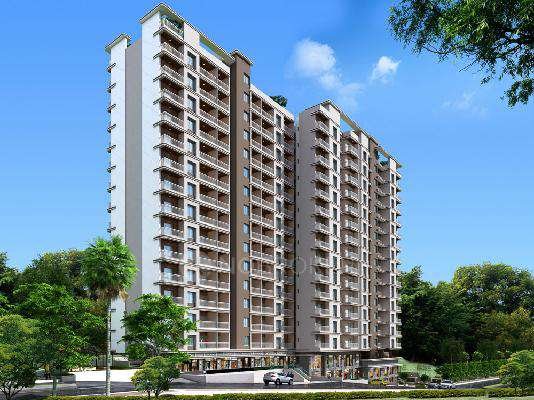
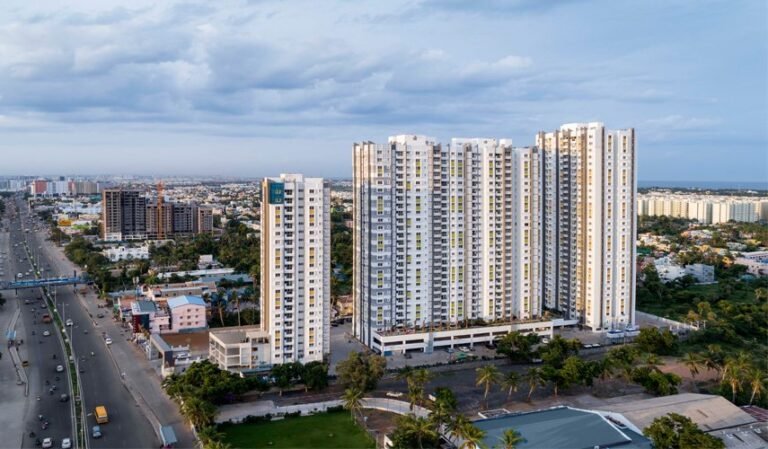
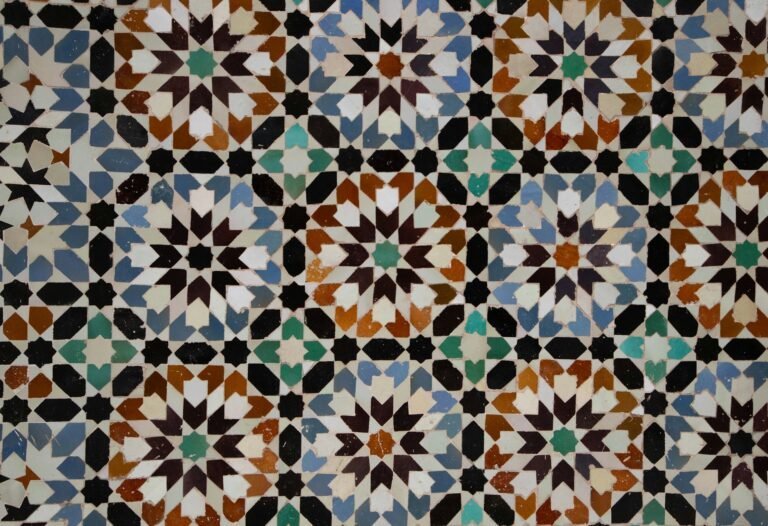
There are several types of visual rhythm in art commonly discussed in art theory. Regular rhythm occurs when elements are repeated at consistent intervals, similar to a steady musical beat. This type of rhythm often conveys stability, calmness, and order. It is commonly seen in architectural designs, traditional patterns, and classical artworks where symmetry and balance are emphasized. Regular rhythm can also evoke feelings of discipline and control, making it suitable for formal or structured compositions.
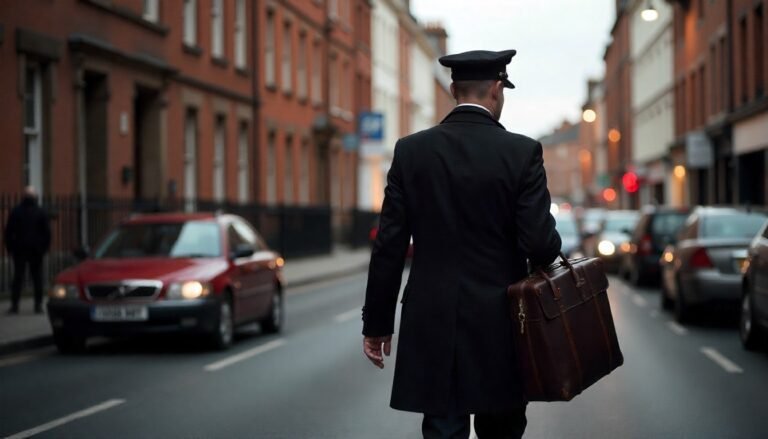
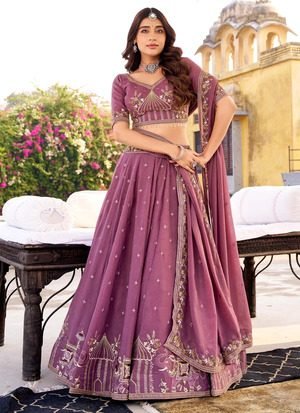
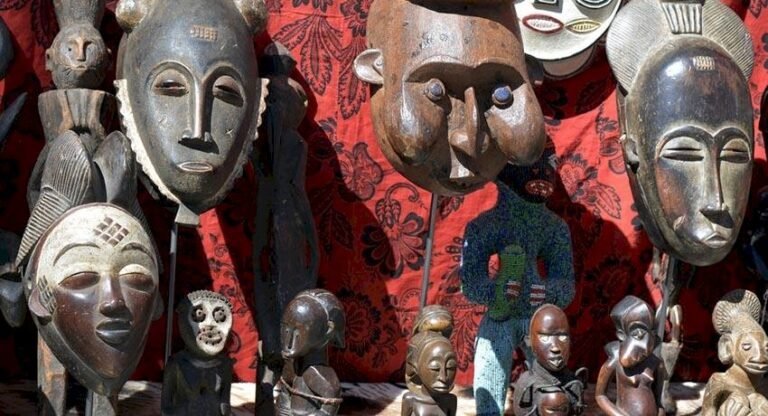
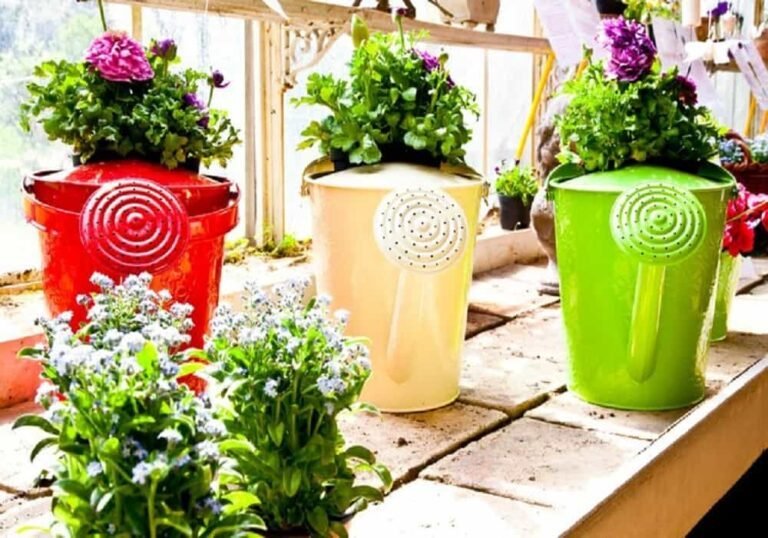
Alternating rhythm is created when two or more elements are repeated in an alternating sequence, such as light and dark colors or different shapes arranged in a predictable order. This type of rhythm introduces more visual interest than regular rhythm while still maintaining a sense of structure. Alternating rhythm is often used in decorative arts, textiles, and graphic design to create lively yet organized patterns. It allows artists to play with contrast while maintaining continuity.
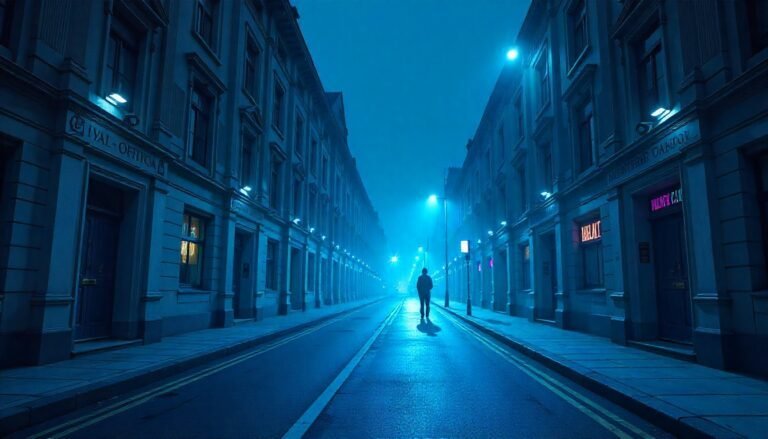
Progressive rhythm occurs when repeated elements gradually change as they move across the artwork. The change may be in size, color, shape, or spacing. This type of rhythm suggests growth, movement, and transformation. Progressive rhythm is particularly effective in conveying depth, perspective, and motion, as it mimics natural processes such as waves approaching a shore or objects receding into the distance. Artists often use progressive rhythm to create a narrative or visual journey within their work.
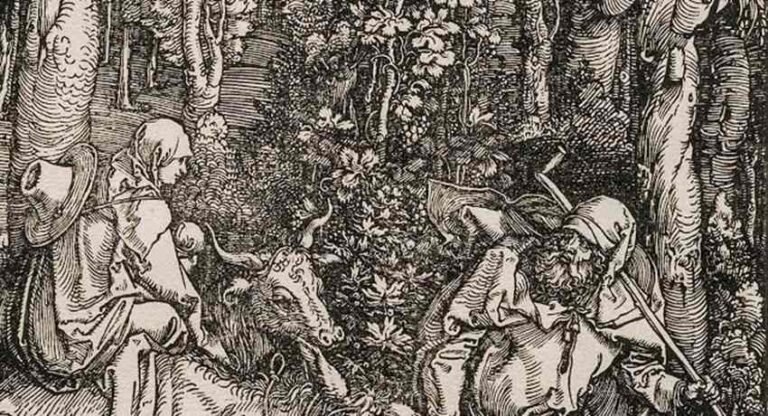
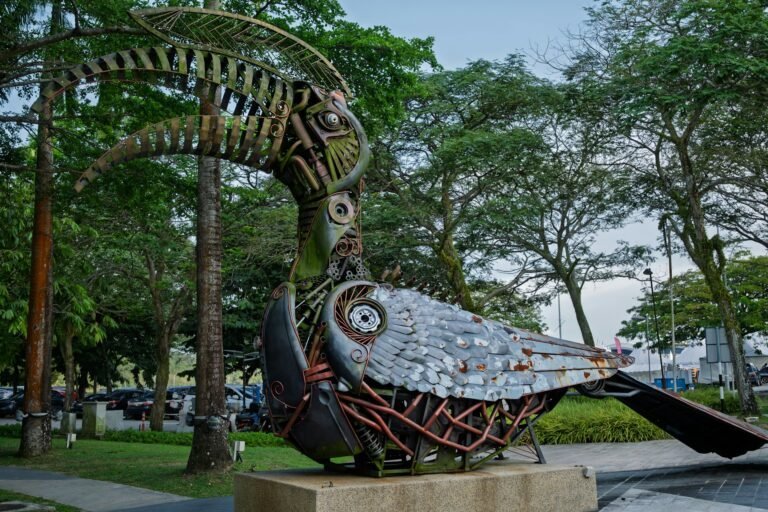
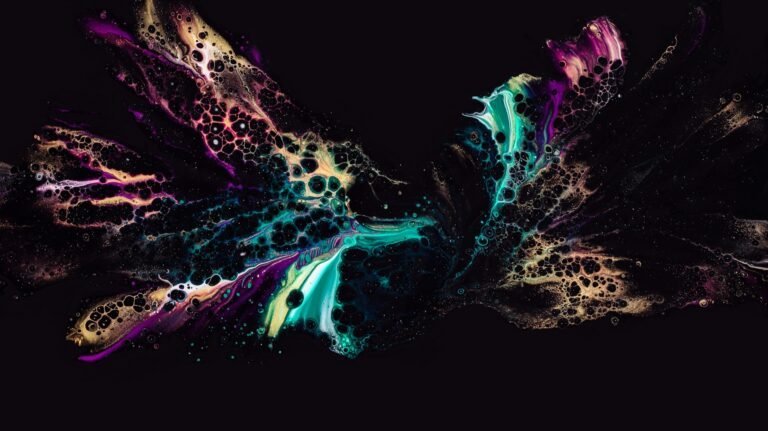
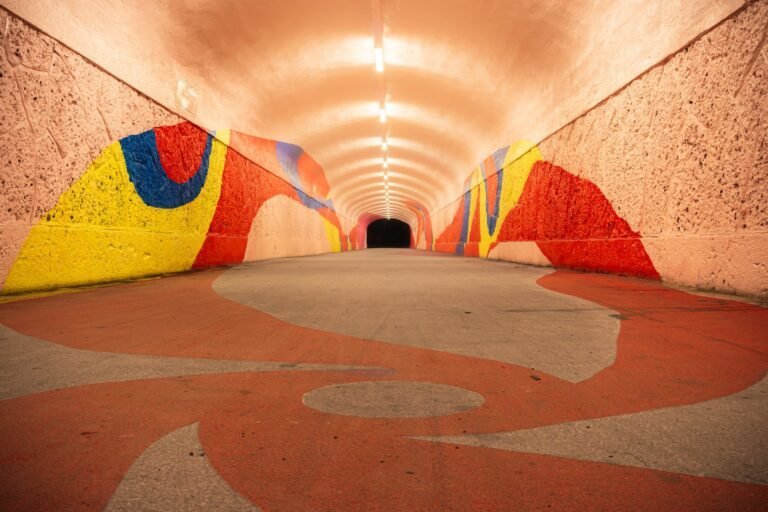
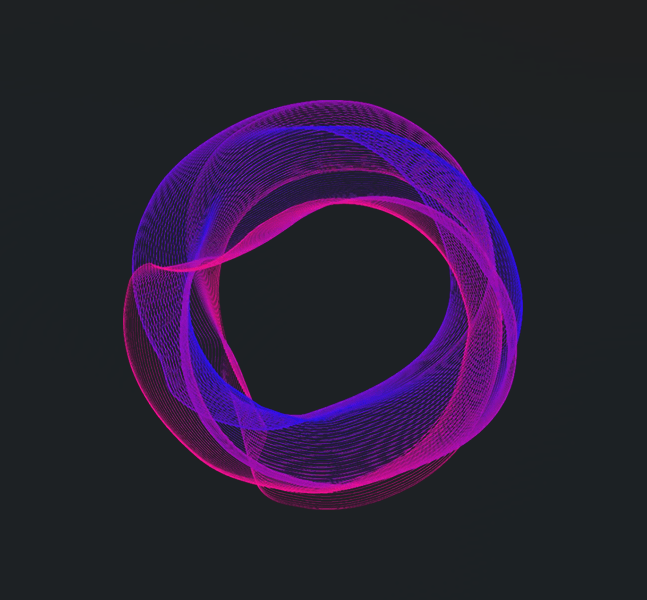
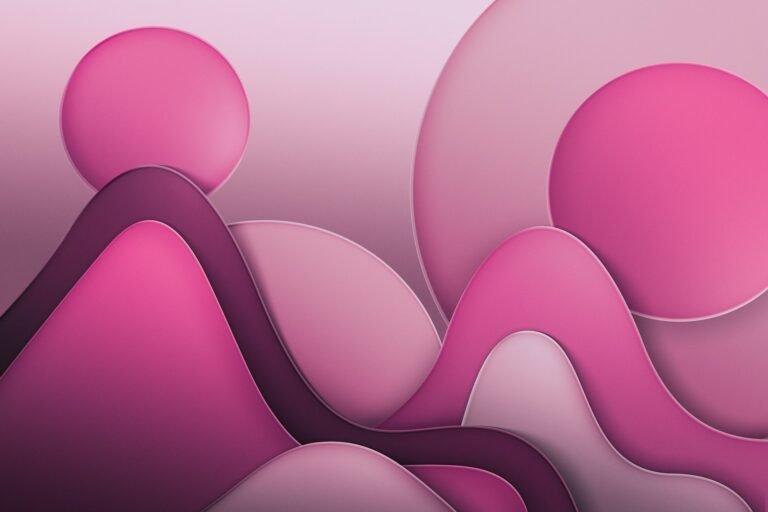
Flowing rhythm is inspired by organic forms and natural movement. It is characterized by curved lines, undulating shapes, and fluid transitions. This type of rhythm is common in artworks that depict nature, such as water, wind, clouds, plants, or human figures in motion. Flowing rhythm creates a sense of grace, continuity, and softness, guiding the viewer’s eye smoothly through the composition. It often evokes emotional responses related to calmness, freedom, or elegance.
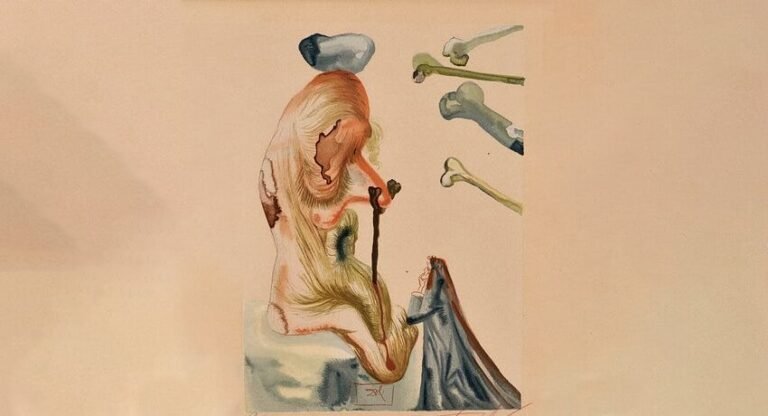
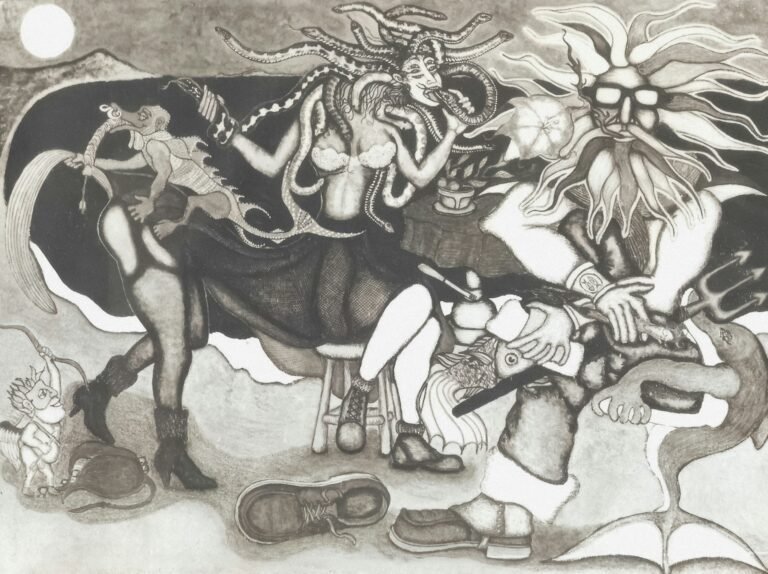
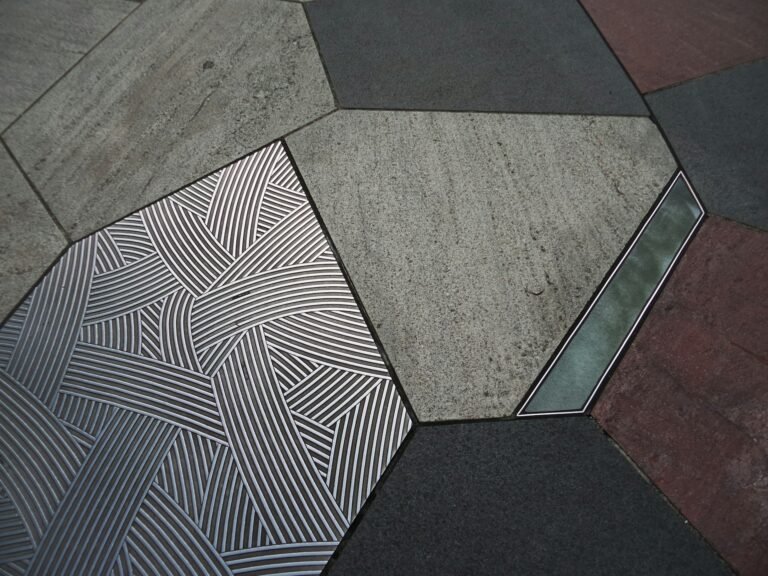
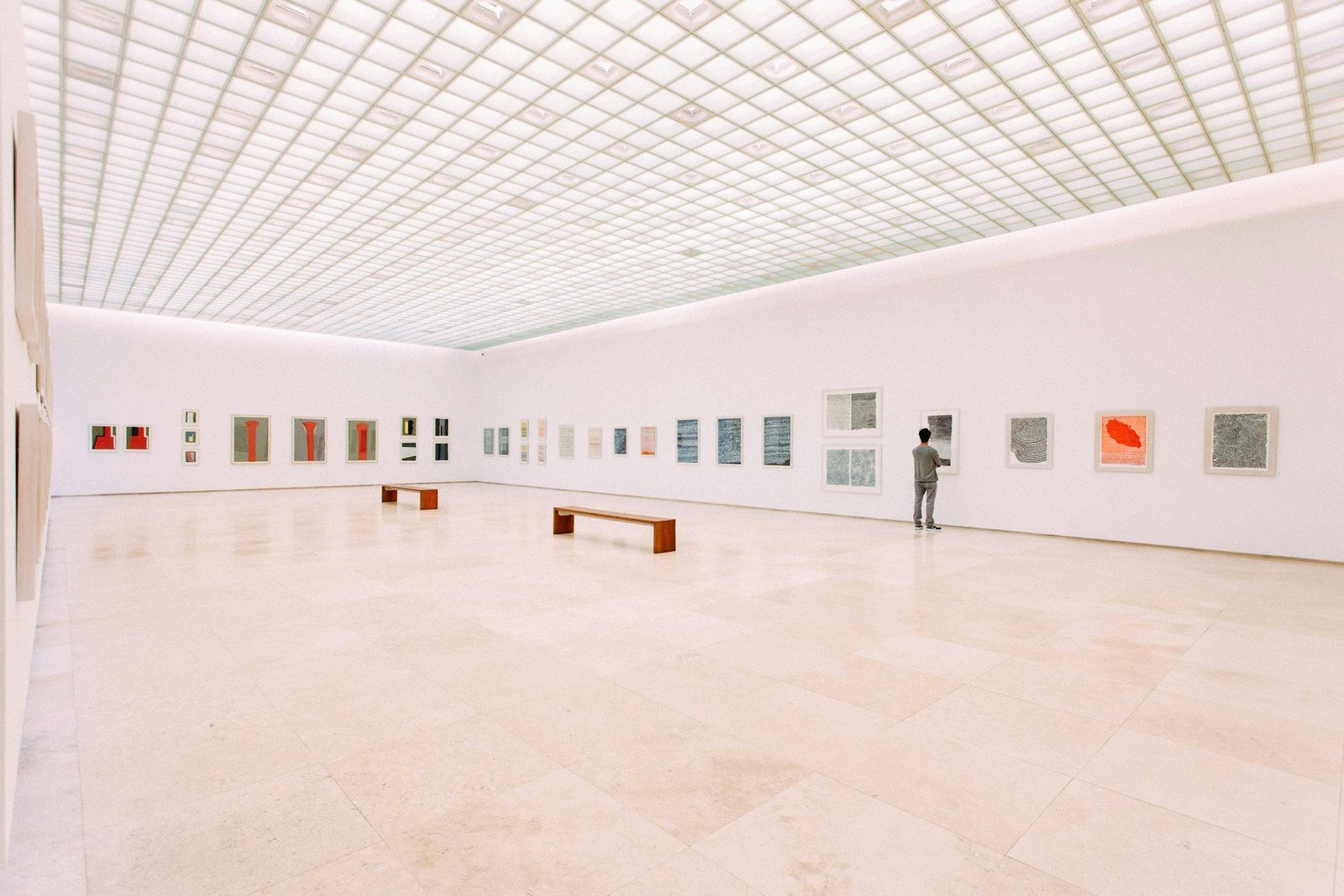
Random rhythm, despite its name, is not chaotic. It involves the repetition of elements without a strict pattern, yet the overall composition still feels unified. Random rhythm is often found in modern and contemporary art, where artists aim to express spontaneity, freedom, and unpredictability. Natural scenes such as star-filled skies, falling leaves, or scattered pebbles also demonstrate random rhythm. This type of rhythm reflects the irregular yet harmonious patterns found in nature.
Visual rhythm in art plays a crucial role in how viewers experience and interpret artworks. It directs eye movement, controls visual emphasis, and influences emotional response. A strong rhythm can make an artwork feel energetic and dynamic, while a subtle rhythm can create a sense of calm and contemplation. Artists consciously manipulate rhythm to convey mood, atmosphere, and meaning. For example, sharp, repetitive lines may create tension or urgency, while soft, flowing rhythms may evoke peace and serenity.
Closely related to visual rhythm in art is the concept of movement in art. Movement refers to the way an artwork appears to move or the way it guides the viewer’s eye across the composition. While artworks are physically static, artists use various techniques to create the illusion of movement. Movement in art is not only about depicting motion but also about creating visual pathways that lead the viewer through the artwork in a purposeful manner.
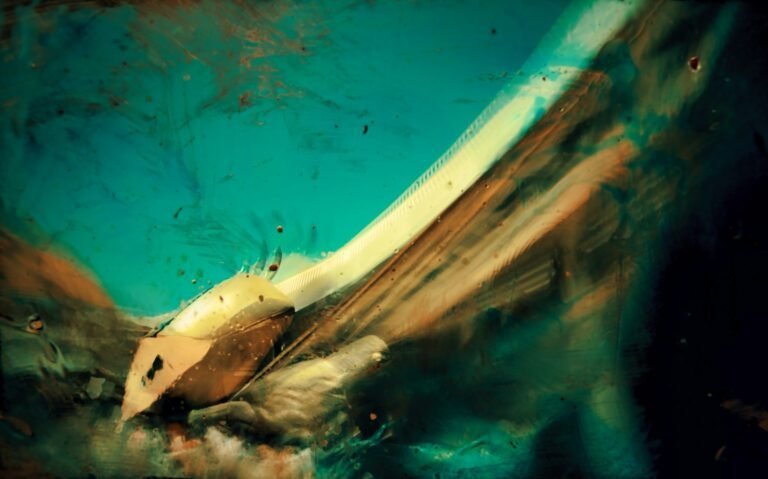
Movement in art can be categorized into implied movement and actual movement. Implied movement is the most common and occurs when artists suggest motion through visual cues. This can be achieved through diagonal lines, repeated forms, blurred edges, overlapping shapes, and progressive changes. For example, a painting of a running figure may imply motion through the positioning of limbs, the tilt of the body, and trailing lines that suggest speed. Implied movement relies heavily on the viewer’s perception and imagination.
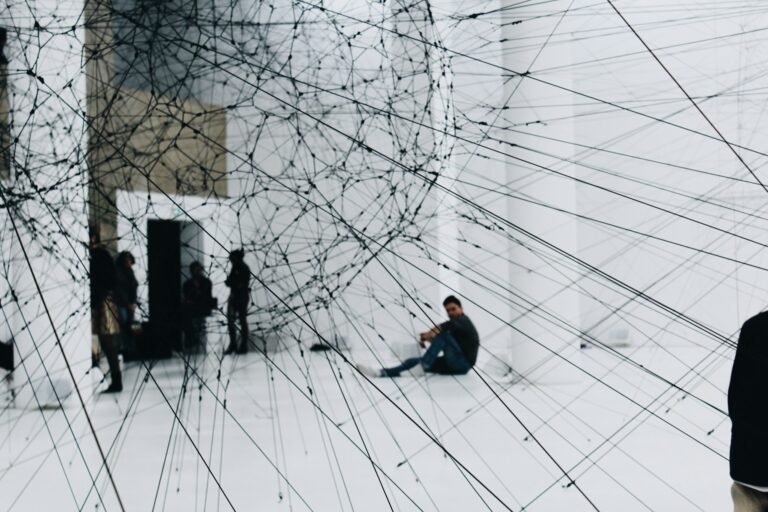
Actual movement, on the other hand, occurs when parts of the artwork physically move. This is seen in kinetic art, installations, and some forms of sculpture where elements rotate, sway, or change with air, light, or mechanical devices. Artists like Alexander Calder, known for his mobiles, introduced real movement into art, expanding the traditional boundaries of static visual expression. Actual movement engages the viewer in a more interactive and experiential way.
The relationship between visual rhythm in art and movement in art is deeply interconnected. Rhythm often creates movement, and movement reinforces rhythm. Repeated elements form visual beats, while variations create acceleration or pause, much like musical composition. Through rhythm, artists can control the speed at which the viewer’s eye moves—slow and gentle rhythms encourage lingering observation, while fast, sharp rhythms create excitement and urgency.
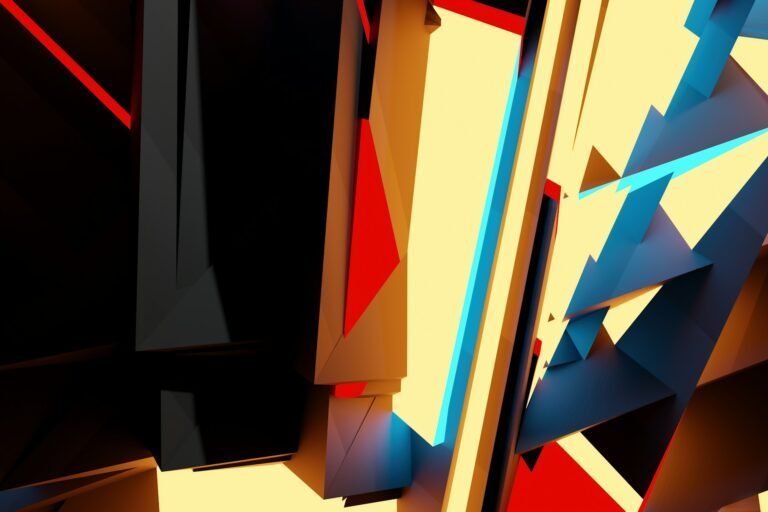
Lines are one of the most powerful tools for creating movement. Horizontal lines often suggest calm, rest, or stability, while vertical lines imply strength and upward motion. Diagonal lines are especially effective in conveying movement, as they appear dynamic and unstable. Curved lines create flowing, graceful motion, guiding the eye smoothly across the artwork. By varying line direction, thickness, and continuity, artists can establish complex rhythms and dynamic movement.
Color also plays a significant role in rhythm and movement. Repetition of colors creates visual unity, while contrasts draw attention and create focal points. Warm colors such as red, orange, and yellow tend to advance visually, while cool colors like blue and green recede. By strategically placing warm and cool colors, artists can create a sense of movement and depth. Gradual color transitions can produce a flowing rhythm, while abrupt contrasts can generate energetic movement.
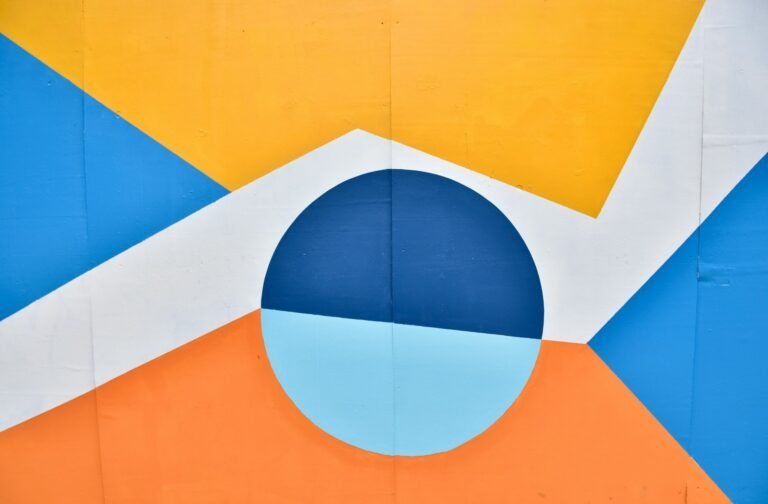
Shape and form contribute to rhythm through repetition and variation. Geometric shapes often create structured, predictable rhythms, while organic shapes produce more natural, flowing patterns. The arrangement of shapes can lead the viewer’s eye in specific directions, establishing visual pathways. Overlapping shapes enhance the illusion of movement and spatial depth, reinforcing the rhythmic flow of the composition.
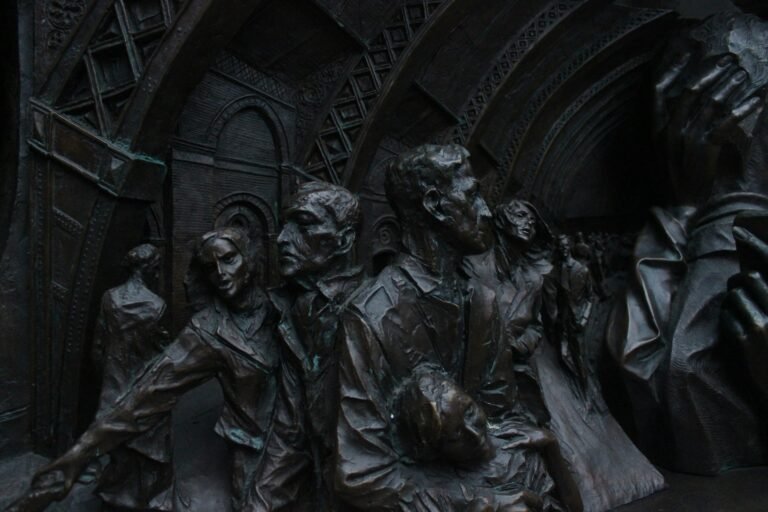
Texture, both actual and implied, adds another layer to visual rhythm in art. Repeated textures create consistency, while contrasting textures introduce variation and interest. In painting and drawing, implied texture can suggest movement through marks, strokes, and patterns. For example, expressive brushstrokes can convey energy and motion, as seen in the works of Vincent van Gogh, whose swirling lines and rhythmic strokes create intense movement and emotional expression.
Space and composition are essential in controlling rhythm and movement. Positive and negative space interact to create visual balance and flow. Crowded areas with dense elements may slow the viewer’s eye, while open spaces allow for visual rest. Artists use spacing between repeated elements to control tempo—closely spaced elements create rapid rhythm, while widely spaced elements create a slower pace. Composition determines how the viewer enters, navigates, and exits the visual experience.
Movement in art also carries symbolic and emotional meaning. Fast, chaotic movement may represent conflict, excitement, or anxiety, while slow, gentle movement may suggest peace, contemplation, or melancholy. Artists across cultures and historical periods have used movement and rhythm to convey narratives, emotions, and spiritual ideas. In traditional Indian art, rhythmic patterns and flowing lines often symbolize cosmic order and divine movement. In Western art, Renaissance artists used movement to create realism and narrative drama, while modern artists used it to express inner emotions and abstract ideas.
In contemporary art, rhythm and movement continue to evolve through new media and technologies. Digital art, animation, video installations, and interactive artworks introduce temporal rhythm, where movement unfolds over time. Viewers become participants, experiencing rhythm not only visually but also physically and emotionally. This expansion of rhythm and movement reflects the changing nature of art in a dynamic, fast-paced world.
In conclusion, visual rhythm in art and movement are essential principles that bring vitality, unity, and expression to art. Visual rhythm in art organizes repeated elements into meaningful patterns, guiding the viewer’s eye and shaping emotional response. Movement, whether implied or actual, creates dynamic interaction between the artwork and the viewer. Together, rhythm and movement transform static forms into living visual experiences. They allow artists to communicate ideas, emotions, and narratives beyond literal representation, making art a powerful and engaging form of human expression. Through careful manipulation of rhythm and movement, artists across history and cultures have created works that continue to captivate, inspire, and move audiences both visually and emotionally.