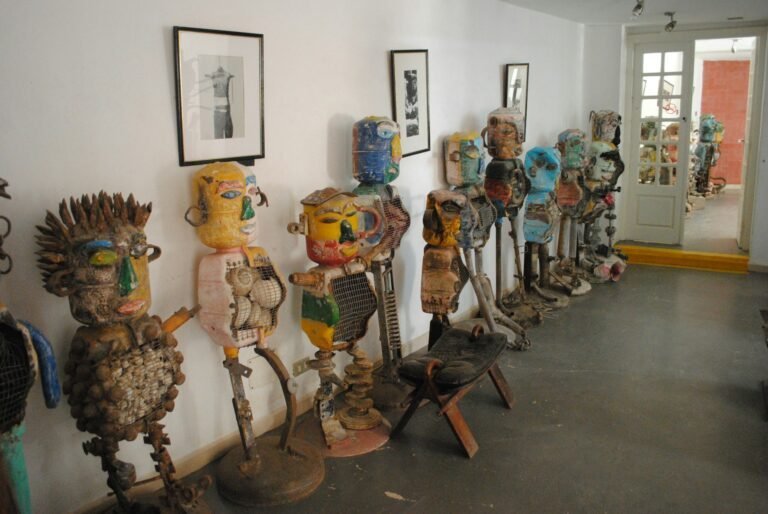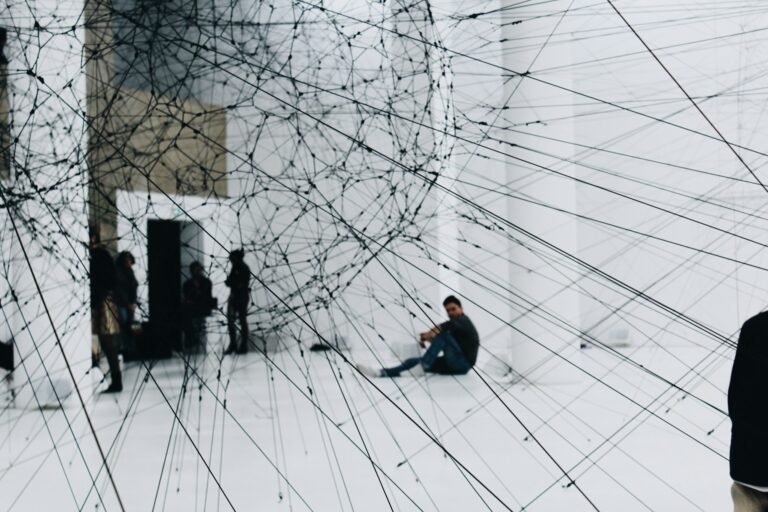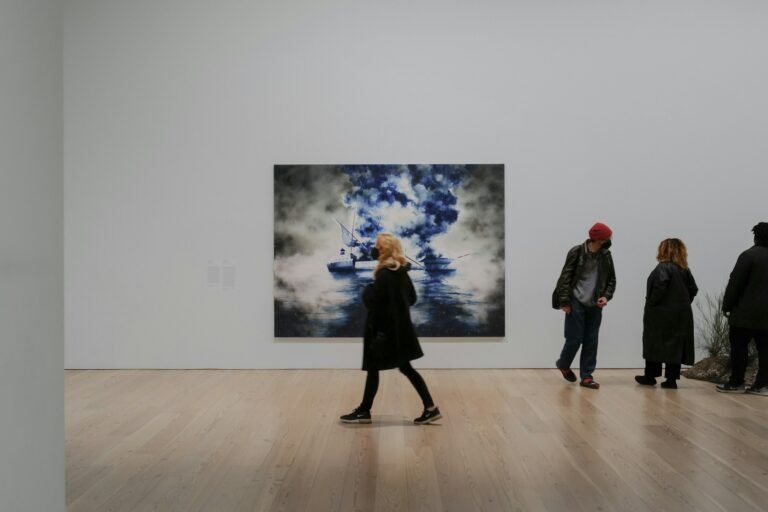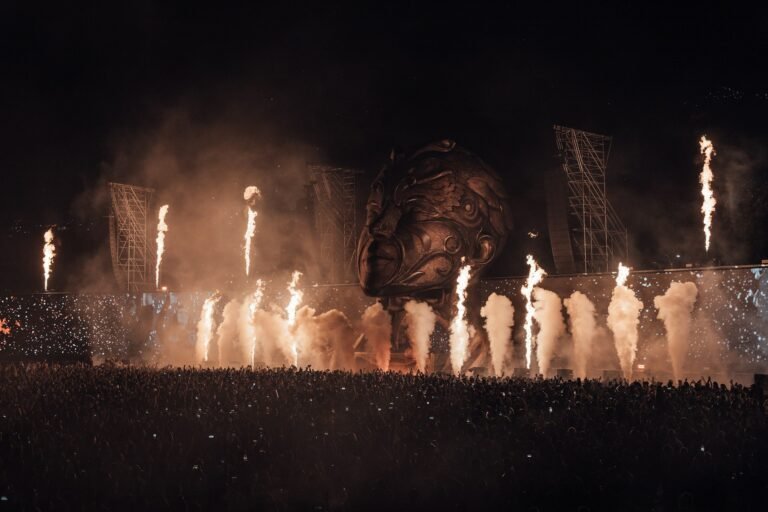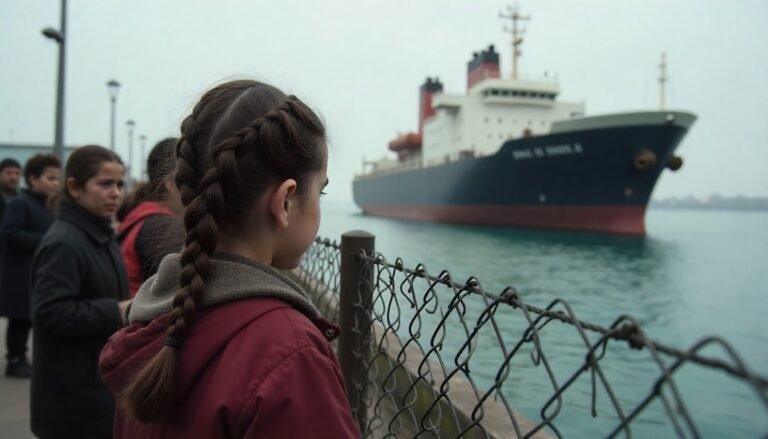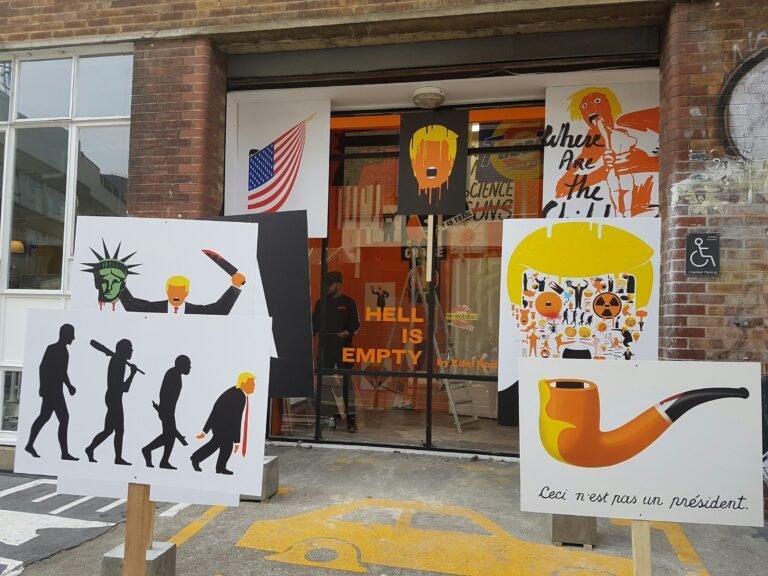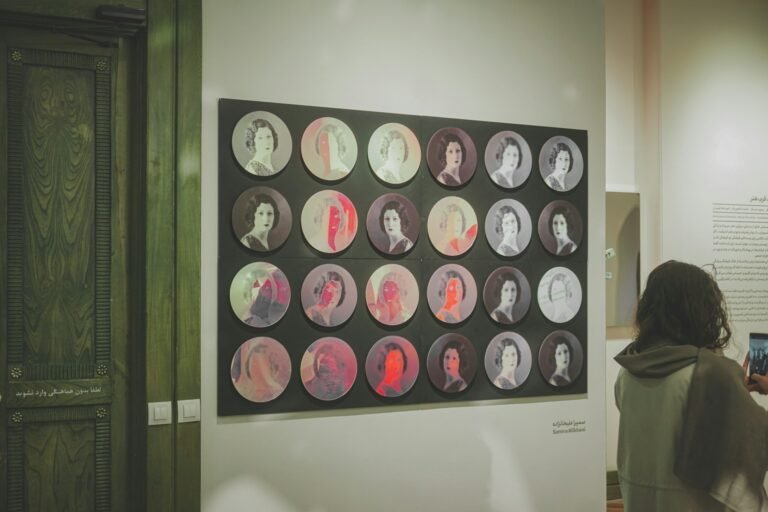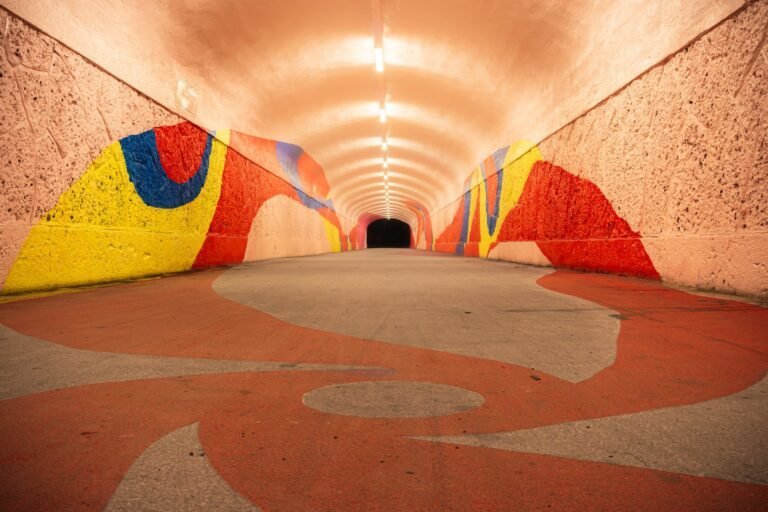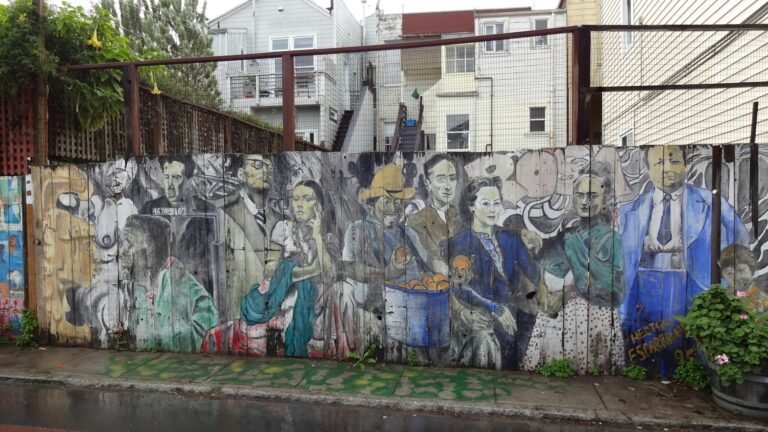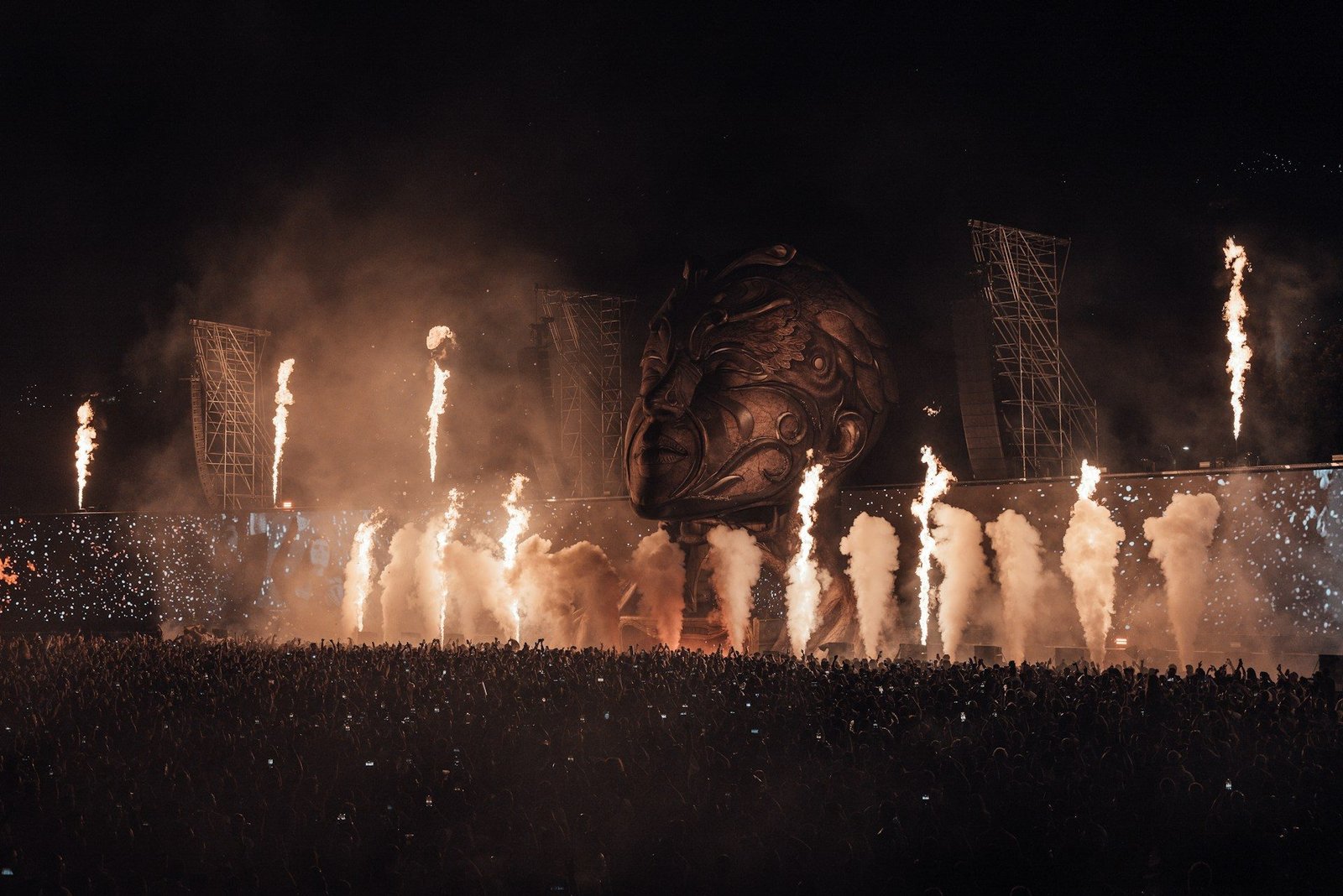
Performance installation art is a hybrid artistic practice that combines the spatial, immersive qualities of installation art with the temporal, embodied, and often participatory nature of performance. Unlike traditional art forms that exist as static objects, performance installation art integrates living actions, gestures, bodies, and sometimes audience participation into a constructed environment. This creates a multidimensional art experience that unfolds over time, transforming both the physical space and the social dynamics within it. The installation serves not merely as a backdrop but as an essential component that shapes, influences, and interacts with the performance. The performer’s presence activates the environment, while the environment shapes the meaning and impact of the performer’s actions. This fusion blurs boundaries between artist and audience, object and action, permanence and ephemerality, making performance installation art one of the most dynamic and conceptually rich forms of contemporary artistic expression.
To understand performance installation art, it is necessary to see how it differs from each of its parent forms. Installation art, which gained prominence in the 1960s and 1970s, focuses on transforming a space into an immersive environment that the viewer can physically enter and experience. Its core aim is to alter perception, disrupt traditional ways of viewing art, and create a heightened awareness of the surrounding space. Performance art, emerging around the same time, emphasizes the live body as the primary medium. It is rooted in presence, temporality, risk, spontaneity, and direct audience confrontation. When the two converge, the result is a mode of expression that occupies an in-between territory: not merely an environment to look at, and not merely an action to witness, but a living interplay of space, body, movement, context, and viewer engagement. The artwork becomes a living system rather than a static object; it breathes, changes, and adapts according to the rhythms of human presence and audience interaction.
One of the defining features of performance installation art is its ability to create immersive, multi-sensory experiences. Artists working in this genre design environments that evoke specific emotional or psychological states—sometimes through soundscapes, lighting, scent, tactile materials, or architectural structures—and then activate these environments through performative acts. The performance may be scripted, improvised, repetitive, symbolic, ritualistic, or spontaneous, but it is always in dialogue with the space. The viewer is often invited to move through the installation, becoming part of the spatial choreography. This sense of co-presence between performer and viewer introduces an intimacy that traditional gallery artworks cannot achieve. By immersing viewers in both a constructed environment and a live event, performance installation art heightens sensory and emotional engagement, encouraging viewers not only to observe but to feel, react, and reflect.
The importance of performance installation art in contemporary art lies partly in its ability to challenge established norms of how art should be produced, presented, and consumed. Traditionally, art objects in museums or galleries are meant to be preserved, studied, bought, and collected. Performance installation art resists commodification and permanence, emphasizing the transient moment over the lasting object. This focus on ephemerality disrupts the traditional art market, presenting art as an experience rather than a possession. By prioritizing process over product, performance installation art invites viewers to consider the value of intangible experiences, temporary interactions, and the fleeting but powerful impact of human presence. This shift aligns with broader cultural trends that emphasize experiential engagement, participatory culture, and the growing desire for connection in an increasingly digital and fragmented world.
Another key importance of performance installation art is its capacity for social critique. Because it involves the human body and lived experience, it provides a powerful medium for examining issues such as identity, politics, gender, race, environment, and power. Artists can use their bodies to enact or symbolize social conditions, personal struggles, or collective histories within an immersive environment that adds layers of meaning. For example, an installation might replicate a domestic space, a political boundary, a hospital ward, or an industrial site, while performance actions within that space dramatize the emotional, physical, or psychological tensions associated with those contexts. The viewer becomes immersed in the symbolism, and the live presence of the performer transforms theoretical issues into visceral realities. This embodied approach to social critique makes performance installation art a potent tool for raising awareness, provoking dialogue, and inspiring social change.
Interactivity is another element that elevates the importance of this art form. Many performance installations invite or even require audience participation. Viewers might be asked to move objects, follow performers, engage in conversations, perform small tasks, or make choices that influence the unfolding of the artwork. This insertion of the viewer as an active participant breaks down the traditional hierarchy between artist and audience. Instead of passive spectators, viewers become collaborators or co-creators of the artwork. Such participation fosters deeper engagement and personal investment in the meaning of the work. It also highlights how individual choices and actions contribute to broader social dynamics, making performance installation art an effective vehicle for exploring themes of agency, responsibility, and collective experience.
The temporal nature of performance installation art is equally significant. Time becomes an essential medium, shaping the experience just as much as space or action. Performances may unfold slowly or rapidly, repetitively or irregularly, over minutes or over many hours. The duration may influence audience behavior—some visitors may stay briefly, while others remain for long periods, witnessing changes or transformations in the installation. The temporality also emphasizes impermanence, prompting reflection on themes of memory, decay, transformation, and the passage of time. Because no performance is exactly repeatable, each viewer experiences a unique version of the artwork, making the encounter personal and unrepeatable. This ephemeral quality encourages mindfulness and presence, reminding viewers of the fleeting nature of lived experience itself.
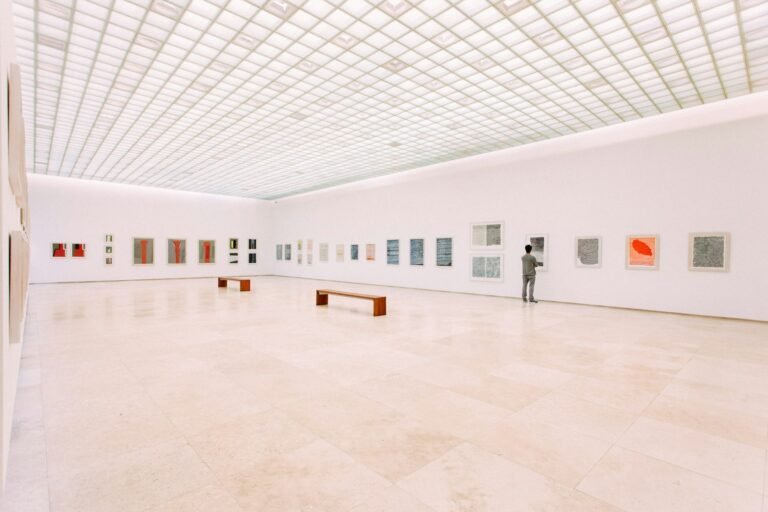
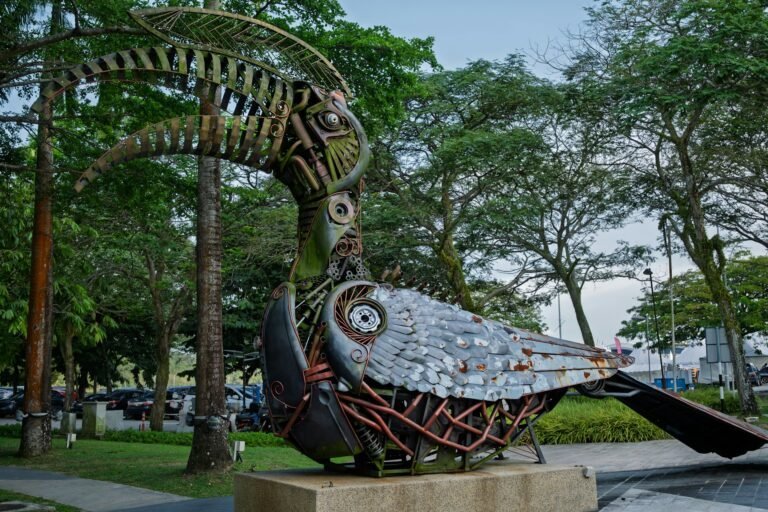
Performance installation art also contributes to expanding the definition of space in contemporary art. It challenges the conventional boundaries of the gallery or museum by transforming space into a living stage. The artist considers architecture, light, sound, proximity, movement, and social dynamics as integral components. In some works, the installation may take place outside traditional art venues—in public spaces, abandoned buildings, natural landscapes, or virtual environments. These alternative settings deepen the interaction between performance, site, and audience, making the artwork more accessible, disruptive, or integrated into everyday life. Site-specific performance installations often reflect the history, culture, or social dynamics of the location, creating deeply contextual and meaningful experiences. By reimagining space as a performative arena, the art form contributes to ongoing conversations about how art intersects with public life, geography, and community.
Another way performance installation art holds importance is through its ability to facilitate emotional catharsis. Because it integrates the human body, vulnerability, and real-time experience, it often evokes strong emotional responses. Audiences can feel empathy for performers, discomfort in certain environments, awe at the immersive spectacle, or introspection triggered by symbolic gestures. The art form speaks not only to the intellect but also to the senses and emotions. In many cases, the immersive nature of the installation helps viewers confront personal memories, biases, fears, or desires. The physical presence of performers, combined with spatial design, creates an environment where emotions are heightened and understood more deeply. This emotional resonance is one of the reasons performance installation art impacts viewers long after the experience ends.
Furthermore, performance installation art contributes to the evolution of artistic mediums, pushing boundaries both technically and conceptually. Artists often incorporate multimedia elements such as video projection, sound design, robotics, sensors, virtual reality, or interactive technologies. These tools expand the potential for creative expression and allow artists to explore themes related to digital identity, surveillance, data, artificial intelligence, and the relationship between humans and technology. The merging of physical performance with digital environments creates hybrid experiences that reflect the complexities of contemporary life. By embracing innovation, performance installation art ensures that art remains responsive to cultural, technological, and societal shifts.
The collaborative nature of performance installation art also enhances its importance in the art world. These works often involve teams of performers, designers, architects, musicians, choreographers, and technicians. Collaboration fosters creative synergy, bringing together diverse skills and perspectives. This interdisciplinarity reflects the interconnectedness of modern culture, where art, science, technology, and social issues increasingly overlap. It also demonstrates how collective effort can produce meaningful and transformative experiences. Through collaboration, performance installation art becomes a celebration of shared creativity and community.
In addition to pushing creative boundaries, performance installation art contributes to expanding the audience for contemporary art. Its immersive, experiential nature appeals to people who might not typically engage with traditional paintings or sculptures. Many viewers find performance installations more accessible, exciting, or emotionally engaging. This broader appeal helps democratize art, making it more inclusive and participatory. By drawing in diverse audiences, performance installation art strengthens cultural engagement, encourages public dialogue, and supports the growth of creative communities.
The art form also plays an important role in documenting human experience. Even though performances are ephemeral, they often address universal themes such as identity, memory, love, fear, trauma, hope, or conflict. Artists may draw from personal histories, cultural traditions, or collective narratives, giving voice to perspectives that might otherwise go unheard. While the live moment cannot be fully preserved, documentation through video, photography, text, or audience memory becomes part of the artwork’s legacy. This interplay between the temporary and the permanent highlights the fragility of human experience and the importance of storytelling. Performance installation art, therefore, serves both as a record of lived experience and as a medium for passing on emotional, cultural, and historical knowledge.
Another major importance is its emphasis on presence and authenticity. In a world heavily mediated by digital communication, virtual identities, and online interactions, performance installation art offers a rare opportunity for real-time, embodied presence. The direct encounter between performer and viewer creates an authenticity that cannot be replicated digitally. This presence fosters empathy, connection, and awareness of the human body as a site of meaning and vulnerability. It reminds audiences of their own physicality, mortality, and interconnectedness. In a culture where attention is fragmented and experiences are often filtered through screens, the immediacy of live performance acts as a counterbalance, grounding viewers in the present moment.
The educational and intellectual value of performance installation art is also significant. It encourages critical thinking by presenting complex ideas in sensory and experiential ways. Viewers must interpret actions, symbols, spatial arrangements, and interactions, constructing meaning through engagement rather than passive observation. This fosters interpretive skills, imagination, and emotional intelligence. Educational institutions increasingly incorporate performance installation art into their curricula because it cultivates creativity, collaboration, and multidisciplinary thinking—skills essential in many fields beyond the arts.
Finally, the importance of performance installation art lies in its limitless potential for reinvention. Because it is not tied to a specific medium or form, it can evolve continuously as artists experiment with new ideas, technologies, and social issues. This adaptability ensures that performance installation art remains relevant, responsive, and thought-provoking. It reflects the evolving nature of humanity itself—dynamic, embodied, relational, and deeply interconnected with space, time, and environment.
In conclusion, performance installation art is a uniquely powerful artistic practice that merges the immersive spatial qualities of installation with the embodied temporality of performance. Its importance lies in its ability to redefine how art is experienced, challenge traditional norms, provoke social and emotional engagement, and offer transformative encounters that resonate long after the performance ends. By integrating space, body, time, audience, and often technology, it creates living artworks that reflect the complexities of contemporary life. Performance installation art enriches the cultural landscape by pushing boundaries, fostering dialogue, promoting inclusivity, and offering profound insight into the human condition. As both a creative and social practice, it stands as one of the most innovative, impactful, and relevant forms of contemporary art today.