Feminist wall art is both a visual practice and an ideological statement that challenges historical power structures, reclaims representation, and gives voice to experiences that have long been marginalized in mainstream art. Its creation is rooted in social awareness, political critique, and personal expression, making it one of the most dynamic and meaningful forms of contemporary visual culture. To understand how feminist wall art is created and its conceptual foundation in art, it is necessary to explore its historical origins, philosophical underpinnings, artistic processes, materials, themes, and its evolving role in public and private spaces.
The concept of feminist wall art emerged alongside the broader feminist movement, particularly during the late 1960s and 1970s, when women artists began openly questioning the male-dominated art world. Prior to this period, women were largely excluded from art institutions, galleries, and historical narratives, or were represented only as subjects rather than creators. Feminist artists sought to dismantle these limitations by using art as a tool of resistance and self-definition. Wall art, due to its visibility and accessibility, became a powerful medium through which feminist ideas could reach a wide audience beyond elite art spaces.
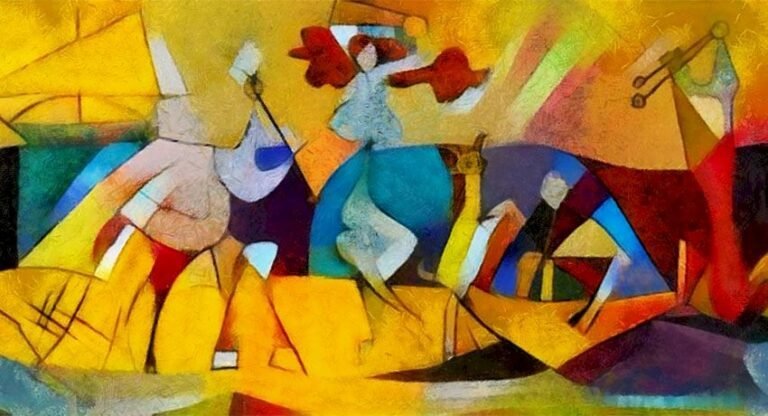
At its core, feminist wall art is guided by the principles of feminist theory, which examines how gender intersects with power, identity, race, class, sexuality, and culture. Feminist art does not follow a single style or aesthetic; instead, it embraces diversity and multiplicity. The concept is less about visual uniformity and more about intention. Feminist wall art aims to question norms, challenge stereotypes, and propose alternative narratives that center women’s lived experiences. This conceptual openness allows artists to work across painting, illustration, typography, photography, collage, murals, mixed media, and digital formats.
The creation of feminist wall art often begins with research and reflection. Artists draw inspiration from personal experiences, historical events, political movements, literature, and social realities. Many works emerge from a deep engagement with issues such as body autonomy, reproductive rights, gender-based violence, unpaid labor, beauty standards, motherhood, sexuality, and representation. By translating these concerns into visual form, artists transform private experiences into collective conversations. This process itself is feminist, as it validates personal narratives as worthy of artistic and intellectual attention.
Historically, feminist wall art has been influenced by key movements and collectives. The impact of Feminist Art Movement was particularly significant, as it encouraged women to challenge traditional hierarchies in art and society. Artists associated with this movement rejected the idea that art should be detached from politics, insisting instead that “the personal is political.” This philosophy directly shaped wall art practices, especially murals and posters, which were often created for protests, community spaces, and women’s centers.
One of the most influential figures in shaping feminist art discourse is Judy Chicago, whose work emphasized women’s history, craft traditions, and collaborative creation. Although not limited to wall art, her approach inspired many artists to reconsider materials, techniques, and subject matter traditionally dismissed as “feminine.” Similarly, Barbara Kruger profoundly influenced feminist wall art through her bold use of text and imagery. Her graphic style—often featuring declarative statements confronting power, consumerism, and gender roles—demonstrated how walls could function as sites of direct political communication.
The process of creating feminist wall art varies widely depending on the artist’s goals and context. In public spaces, such as street murals, the process often involves collaboration with communities, activists, and local organizations. Artists may conduct workshops, interviews, or discussions to ensure that the artwork reflects shared experiences rather than imposing a single viewpoint. This collective approach challenges the traditional notion of the solitary artist-genius and aligns with feminist values of cooperation and inclusivity.
In studio-based wall art, such as paintings, prints, or wall installations, the process may be more introspective but is still deeply conceptual. Artists carefully consider composition, symbolism, color, and scale to communicate their message effectively. The female body, for example, is a recurring subject, but feminist wall art resists objectification. Instead, bodies are portrayed as sites of strength, vulnerability, resistance, and agency. Stretch marks, scars, aging, and non-normative forms are often highlighted to counter unrealistic beauty standards perpetuated by media and advertising.
Text plays a crucial role in feminist wall art. Slogans, quotes, and statements are frequently incorporated to make messages explicit and accessible. This tradition draws from protest posters and activist graphics, where clarity and impact are essential. Phrases advocating equality, autonomy, and solidarity transform walls into platforms for dialogue and dissent. By combining visual imagery with language, feminist wall art bridges the gap between art and activism, ensuring that its message is not lost in abstraction.
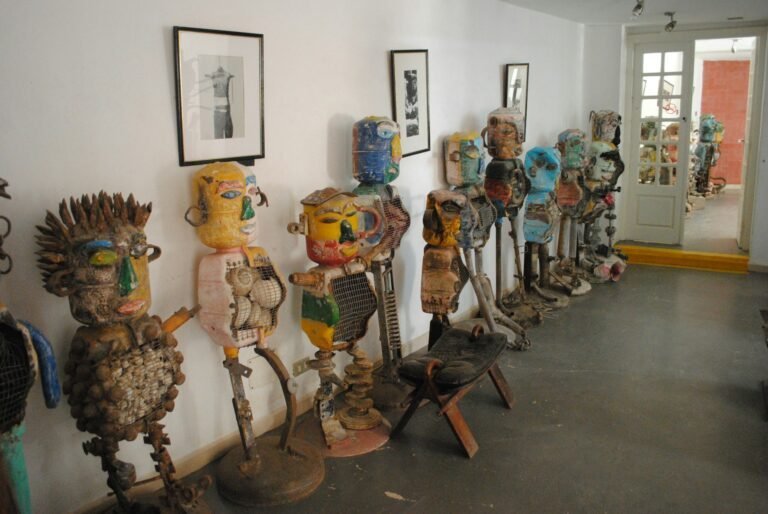
Materials and techniques used in feminist wall art are also conceptually significant. Many artists intentionally use everyday or unconventional materials—such as fabric, embroidery, recycled objects, or domestic tools—to challenge hierarchies that privilege “fine art” materials over crafts associated with women’s labor. This strategy questions why certain forms of creativity have historically been undervalued and reclaims them as powerful artistic expressions. On walls, these materials create tactile, layered surfaces that evoke intimacy and resilience.
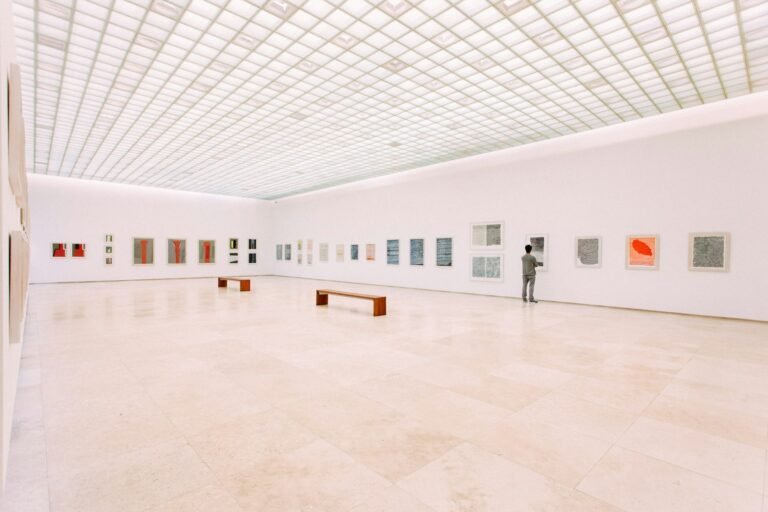
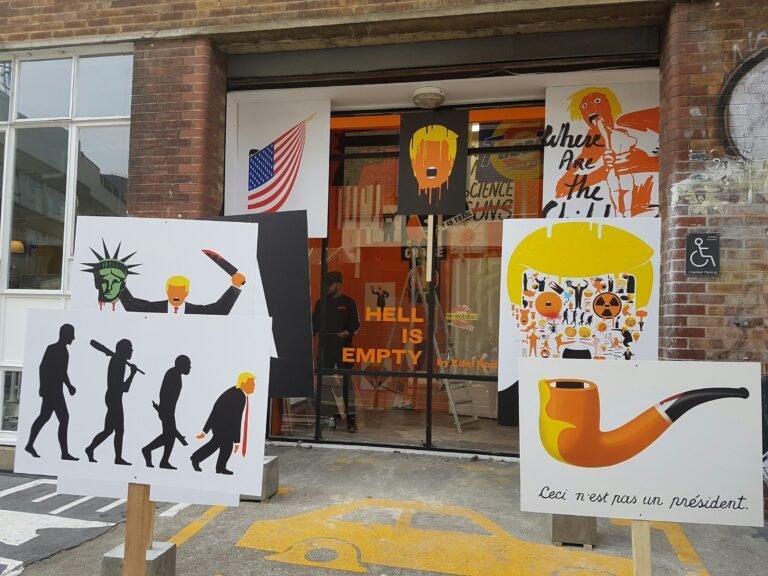
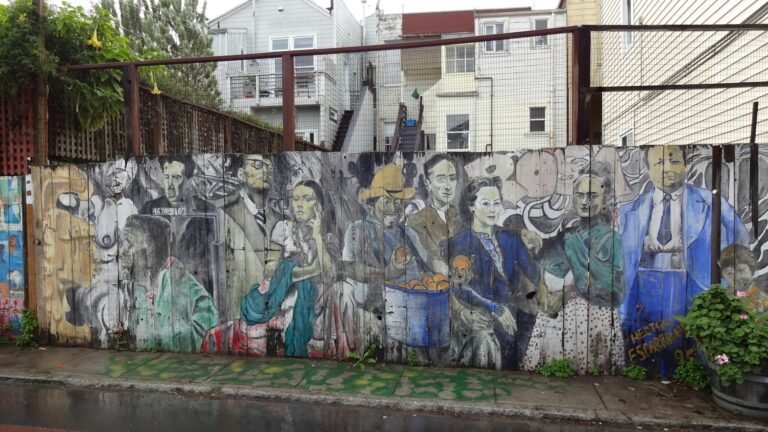
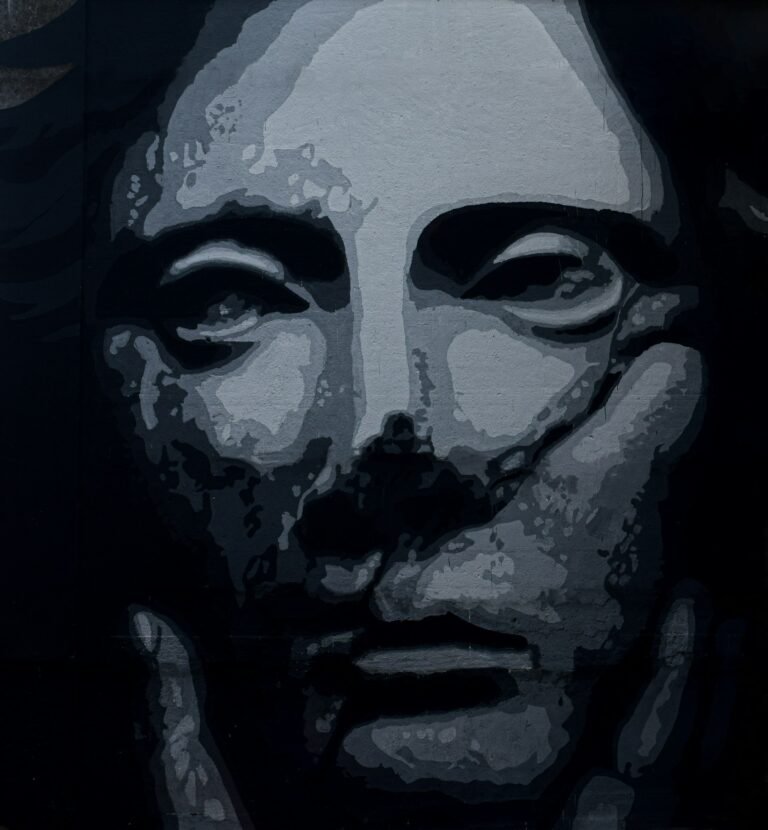
The concept of space is central to feminist wall art. Walls are not neutral surfaces; they carry social, political, and historical meanings. By placing feminist art on walls—whether in galleries, homes, schools, or public streets—artists assert the presence of women’s voices in spaces where they have often been silenced. Public feminist murals, in particular, challenge who has the right to visibility and whose stories are considered worthy of public attention. They transform urban environments into sites of resistance and remembrance.
Intersectionality has become a defining concept in contemporary feminist wall art. Artists increasingly address how gender intersects with race, ethnicity, class, disability, and sexuality. This approach acknowledges that women’s experiences are not universal and that feminism must confront multiple forms of oppression. Wall art reflecting intersectional feminism often highlights marginalized identities, celebrates cultural diversity, and critiques systems of power such as colonialism and capitalism. By doing so, it expands the scope of feminist art beyond a single narrative.
The digital age has also transformed how feminist wall art is created and circulated. Artists now design wall art digitally before translating it into physical form, or they create printable posters and murals that can be shared globally. Social media platforms amplify the reach of feminist wall art, allowing images to circulate far beyond their original location. This visibility reinforces the political power of wall art, as messages advocating gender equality can inspire solidarity across borders.
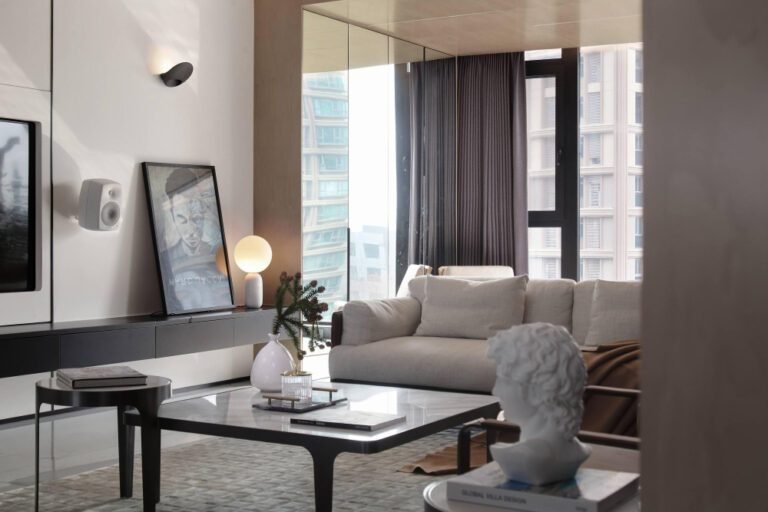
In domestic spaces, feminist wall art takes on a more personal yet equally meaningful role. Hanging feminist artworks in homes serves as a daily affirmation of values and identity. These works may include illustrations celebrating self-love, quotes encouraging empowerment, or abstract pieces inspired by feminist ideas. The act of choosing and displaying such art is itself a form of agency, transforming private spaces into environments that reflect resistance to patriarchal norms.
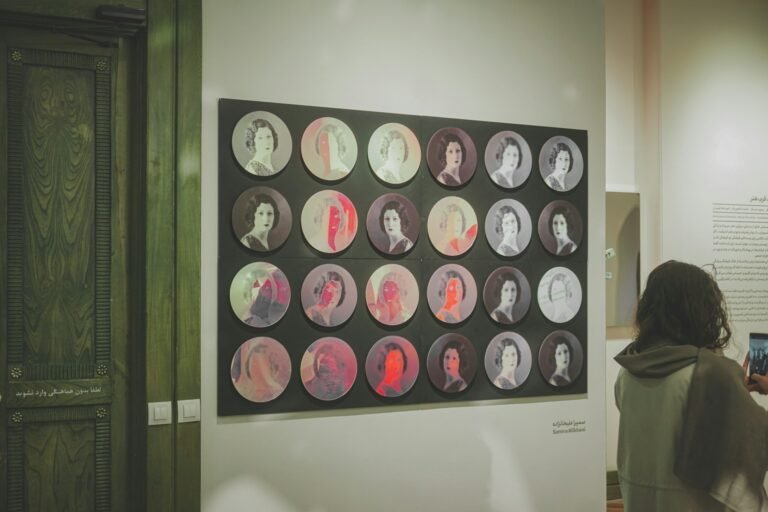
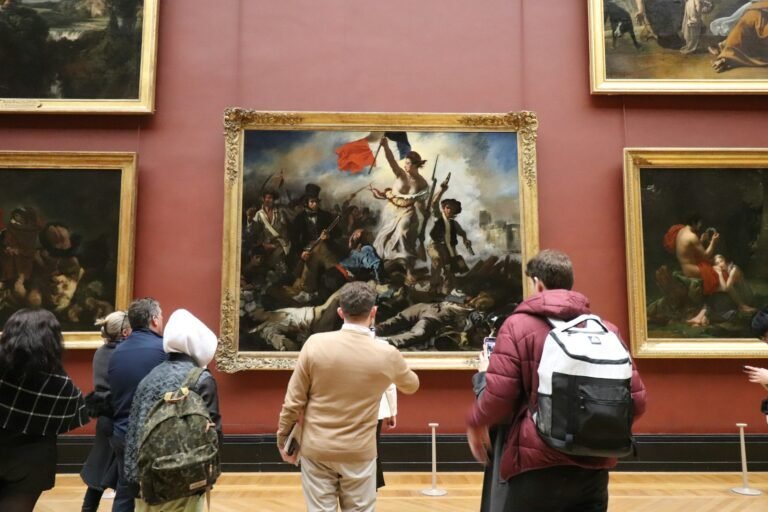
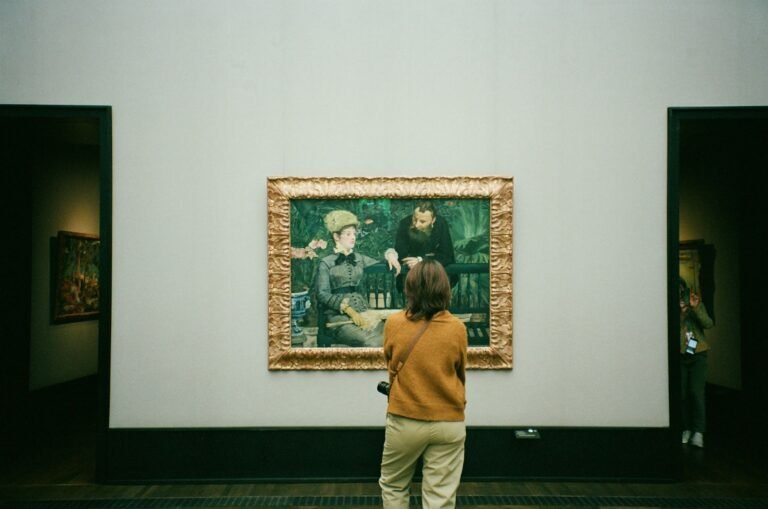
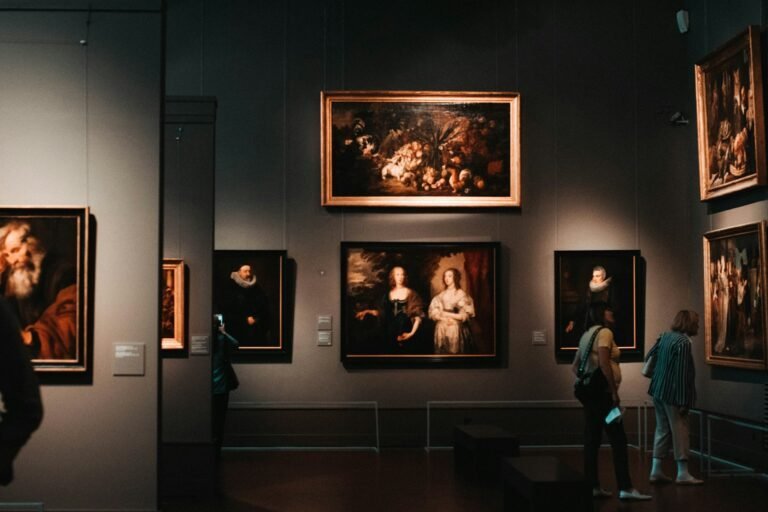
Critically, feminist wall art also engages with art history by questioning who has been remembered and celebrated. Many works reference or reinterpret canonical artworks, inserting women into narratives from which they were excluded. This revisionist approach challenges viewers to reconsider what they have been taught about art and culture. Walls become sites where alternative histories are written and displayed, contesting dominant narratives.
The impact of feminist wall art lies not only in its visual appeal but in its ability to provoke thought and conversation. It invites viewers to reflect on their assumptions, question societal norms, and recognize inequality. Unlike art that seeks purely aesthetic appreciation, feminist wall art often aims for discomfort, confrontation, and dialogue. This intentional tension is part of its conceptual strength, as it disrupts passive consumption and encourages active engagement.
Education and mentorship also play a role in the creation and dissemination of feminist wall art. Workshops, community projects, and academic programs help emerging artists understand feminist theory and apply it creatively. Through these initiatives, feminist wall art becomes a shared practice rather than an isolated genre, continuously evolving through collective learning and experimentation.
In conclusion, feminist wall art is created through a process that intertwines artistic practice with social consciousness. Its concept in art is grounded in challenging power structures, reclaiming representation, and amplifying marginalized voices. By using walls as platforms for expression, feminist artists transform everyday spaces into sites of political and cultural significance. Whether through bold murals, intimate illustrations, or text-based works, feminist wall art continues to redefine what art can be and whom it serves. Its enduring relevance lies in its ability to adapt, expand, and respond to changing social realities, ensuring that the struggle for equality remains visible, vibrant, and creatively expressed.