The flavors of Hong Kong’s traditional herbal drinks can now easily be enjoyed in any Filipino home. Here, we’ll share some simple recipes for preparing herbal teas from Hong Kong. These drinks use ingredients that are usually available locally or are simple to source. So now, you can bring that touch of Cantonese wellness culture right to your kitchen.
What are These Herbal Teas?
These traditional drinks are made from dried flowers, roots, seeds, or other plant parts, not from the common Camellia sinensis tea plant. People typically drink them to help support their general well-being and hydration. These drinks have deep roots in Chinese cooking and health practices.
Common Ingredients
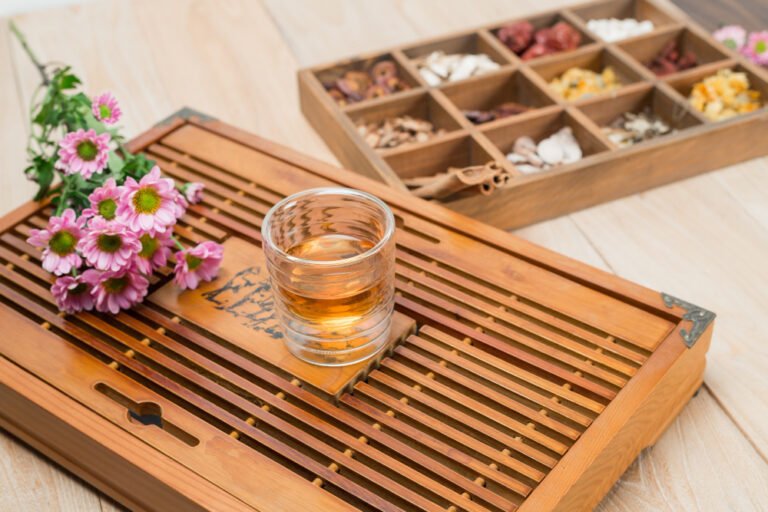
The ingredients used in these teas are usually dried and come from plants known for their gentle properties. The common ingredients are ginger, pandan leaves (often used in both cultures), chrysanthemum flowers, and various dried fruits like longan. The goal is to create a drink that is mild and pleasant to drink regularly.
Cultural Connection
In Filipino culture, sharing food and drink is a way to show hospitality and care. These herbal teas fit well into this tradition. They can offer a new way to share a warm drink with family and guests. Not to mention, they also complement many Filipino dishes with their gentle flavors.
Why These Teas are Easy to Make at Home
These recipes are perfect for Filipino homes because they use simple cooking methods already familiar in the kitchen. Many traditional Filipino drinks and desserts also rely on simmering water with fresh or dried ingredients. You don’t need any special tools to make these drinks.
Simple Preparation
Most recipes only require two main steps: rinsing the dried ingredients and simmering them in water. Unlike fine leaf teas, these strong ingredients are hard to over-brew. The process is very forgiving for beginners who are just starting to explore these recipes.
Ingredient Availability
Many ingredients, like dried ginger, pandan, and some types of sweet dried fruit, are already common in local markets across the Philippines. Items like chrysanthemum and dried longan are easily found in Asian markets or specialist food stores. This easy sourcing makes the teas a practical addition to your routine.
How to Prepare Easy Herbal Tea Recipes
The best way to prepare these teas is through a simple simmering technique, often called decoction. This gentle, sustained heat helps pull the full flavor and properties from the tough, dried ingredients. But remember, always use a clean, non-metal pot, like a regular saucepan, for the best results.
Recipe 1: Simple Calamansi-Ginger Tea
Ingredients and Steps
Use 5 slices of fresh ginger root, 4 cups of water, and the juice of 2 calamansi. Add honey or brown sugar to taste. Then, place the ginger and water into your pot. Bring the water to a boil, then reduce the heat immediately to a low simmer. Let the mixture simmer slowly for 15 to 20 minutes.
Finish
Strain the ginger out of the tea. Stir in your desired amount of sweetener. Add the fresh calamansi juice just before serving. This soothing tea has a bright, refreshing flavor, making it a wonderful warm drink.
Recipe 2: Soothing Chrysanthemum and Longan Tea
Ingredients and Steps
Use 1/2 cup dried chrysanthemum flowers, 1/4 cup dried longan fruit, and 6 cups of water. Rinse the dried flowers and fruit lightly with cool water to remove any dust. Place the rinsed ingredients and water into a pot. Bring the water to a boil, then reduce the heat to a simmer. Let it simmer gently for 10 minutes.
Finish
Pour the tea through a strainer into mugs. The longan fruit adds enough natural sweetness, so you might not need to add sugar. This tea is light and perfect for any time of the day, especially after a meal.
Recipe 3: Pandan and Dried Winter Melon Tea
Ingredients and Steps
Use 2 pieces of dried winter melon, 2 leaves of fresh pandan (knotted), and 5 cups of water. Place the winter melon, pandan, and water into a pot. Simmer gently for 30 minutes. The melon will soften and the water will take on the pandan scent.
Finish
Strain the liquid and serve warm. The taste is subtle, earthy, and lightly sweetened by the melon. This is an easy way to explore both cultures at once, creating a delicious and unique beverage. It blends a Filipino scent (pandan) well with a Hong Kong tradition (winter melon), offering a unique mix of familiar and new flavors that work well together.
Key Takeaway
These simple recipes demonstrate how easily you can bring the traditions of Cantonese wellness into your own kitchen. Using the right simmering techniques and accessible ingredients makes preparing these herbal teas from Hong Kong a rewarding, easy activity. Sharing these warm, prepared drinks is a wonderful way to care for your family and guests.