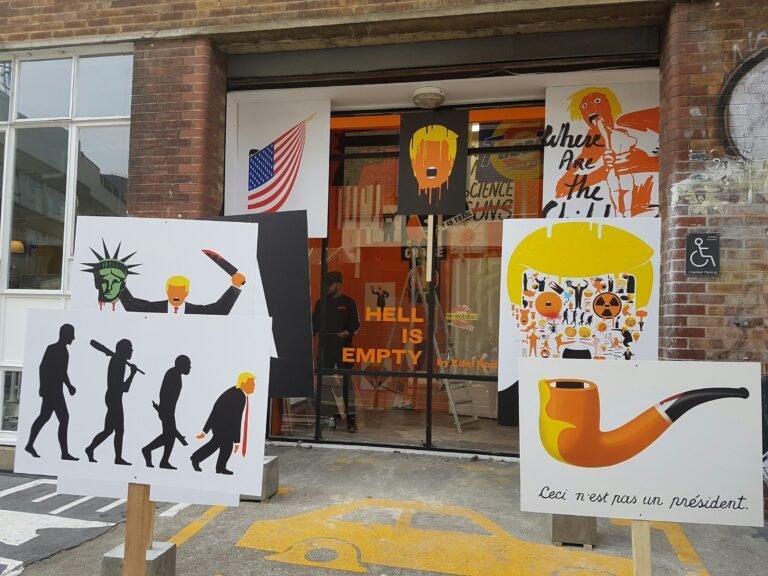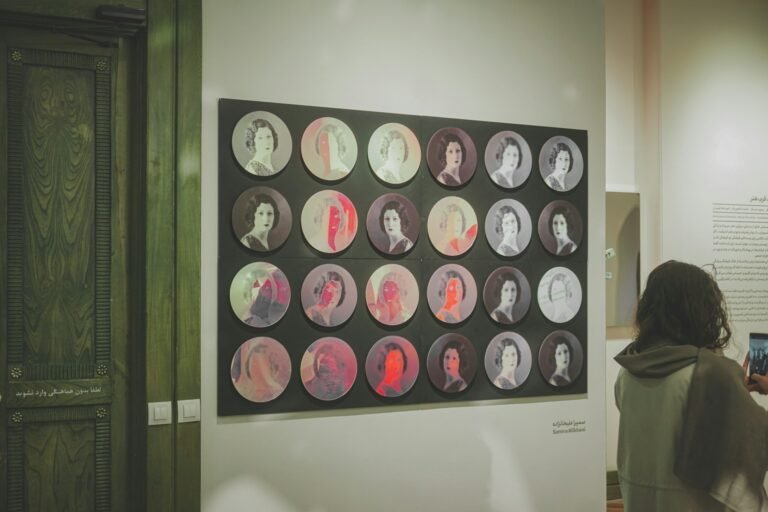
Installation art is one of the most dynamic and transformative movements in contemporary art, challenging traditional boundaries and redefining how audiences experience creative expression. Unlike painting or sculpture, which are usually confined to specific mediums and formats, installation art occupies real space and often embraces a multisensory approach. Installation artists create immersive environments that engage the viewer not just visually but physically, emotionally, and intellectually. Their work often extends beyond objects and into the realm of experience, prompting viewers to step inside, walk around, and interact with the artwork. Understanding what installation artists do and the conceptual foundation of their art requires exploring their purpose, techniques, materials, and the underlying philosophies that drive their creativity.
At the core, installation artists transform a space into something entirely new, constructing an encounter rather than a static piece. They may work in galleries, public spaces, abandoned buildings, natural landscapes, or even virtual environments. Their role is not limited to creating an object but involves manipulating an environment to evoke certain emotions, challenge perceptions, or provoke thought. The installation becomes a lived experience, one that unfolds over time and space as the viewer navigates through it. This makes the artist not only a creator of objects but also a designer of spatial narratives. They orchestrate movement, perspectives, materials, sound, lighting, and even temperature to construct an artistic atmosphere.
One of the defining characteristics of installation art is its emphasis on concept over form. Installation artists often begin with an idea—an inquiry, a question, an emotion, a social issue, or a philosophical concern—and then seek a form that brings that idea to life. The concept shapes the physical manifestation rather than the other way around. This approach contrasts with traditional fine arts, where form often leads the creative process. In installation art, the idea can demand unusual materials, unconventional structures, or immersive technologies, and the artist must adapt to these conceptual needs. For example, an installation exploring memory might incorporate old photographs, found objects, projections of fading images, or sound recordings. A work addressing climate change could employ melting ice, recycled materials, or live plants. The medium is secondary to the message, and the artist selects whatever tools best communicate the intended concept.
Because installation art is conceptual, it also tends to be interdisciplinary. Installation artists frequently borrow from fields such as architecture, design, engineering, theatre, psychology, and digital media. They may collaborate with programmers, musicians, scientists, or choreographers. Their practice is not isolated within the boundaries of traditional art but intersects with various forms of knowledge and skill. This interdisciplinary nature reflects the evolving role of the artist as a thinker, researcher, and innovator. Installation artists must understand how different elements interact—how light changes perception, how sound shapes atmosphere, how scale influences emotion, and how materials behave in space. Their role is both creative and technical, requiring problem-solving skills and often experimentation with new technologies.
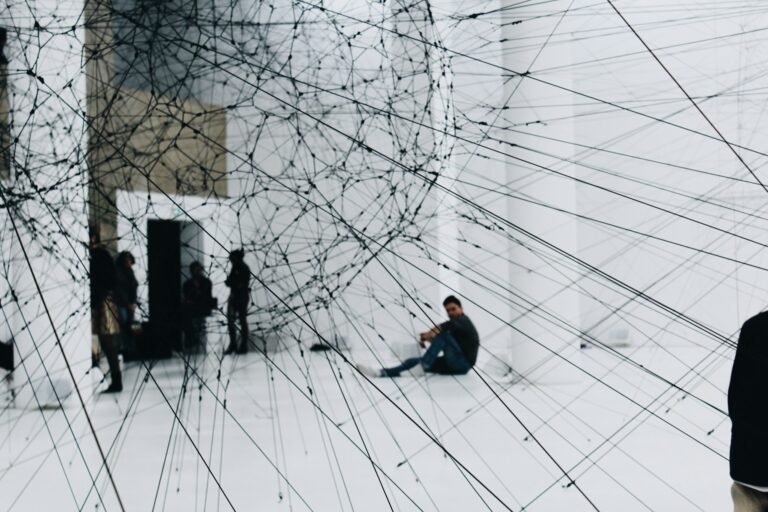
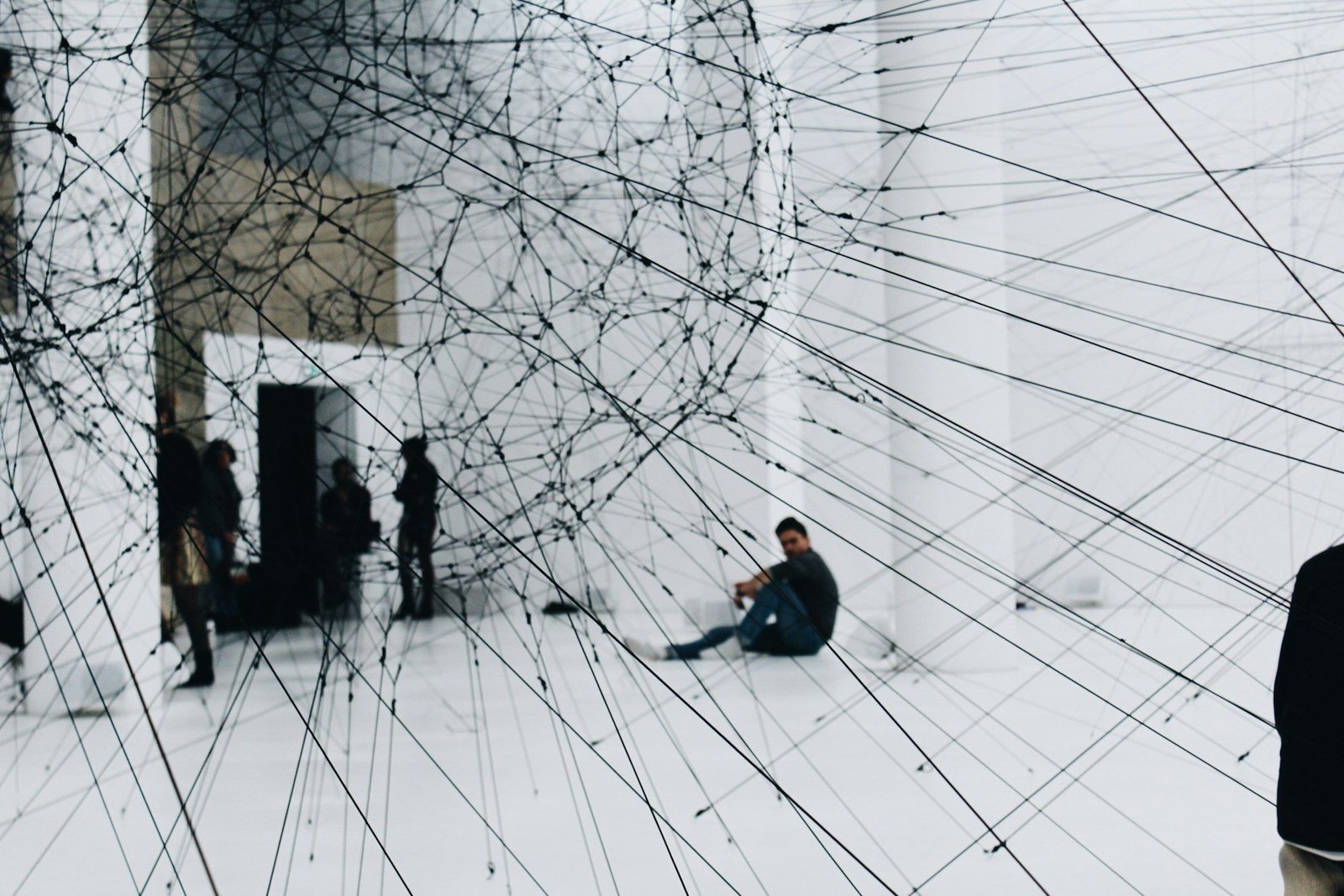
A key aspect of installation art is its relationship with the viewer. Unlike traditional artworks, which are often meant to be observed from a distance, installations pull the viewer inside the artwork. The audience becomes part of the environment, and their presence contributes to the meaning of the piece. This blurs the boundary between observer and participant. For installation artists, the viewer’s engagement is not incidental—it is essential. The artwork is incomplete without interaction, whether physical or psychological. Some installations invite direct participation, such as walking through a mirrored hallway or activating sensors that trigger sound. Others rely on the viewer’s emotional or intellectual response. The artist constructs an environment that demands a reaction, making the viewer’s experience part of the artwork’s identity.
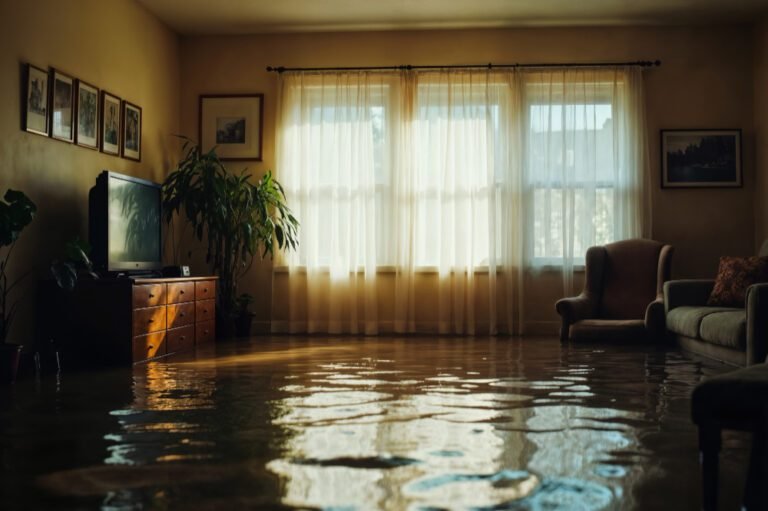
Because of its experiential nature, installation art often addresses themes that relate to human perception, environment, and social conditions. Many installation artists explore concepts such as identity, memory, power structures, cultural politics, environmental crises, technology’s impact, or the relationship between nature and human activity. By creating immersive spaces, they can confront audiences with realities that are difficult to express in flat images or static sculptures. For instance, an installation highlighting refugee struggles might recreate a camp environment with tents, soundscapes of voices, and documentary projections, making viewers feel the emotional weight of displacement. Another installation might examine consumerism by using discarded packaging materials arranged in overwhelming quantities. Through such works, installation artists provoke self-reflection and social awareness.
Another important aspect of installation art is its impermanence. While some installations are permanent, many are temporary, designed only for a specific location and time. They may be deconstructed after the exhibition ends or altered when exhibited elsewhere. This temporary nature reflects the idea that art does not need to be a lasting object to be meaningful. The value lies in the experience, not the longevity. Installation artists embrace ephemerality because it allows them to push boundaries without the limitations of durability. They can use delicate materials, organic substances, fragile structures, or interactive technologies without worrying about long-term preservation. The ephemeral nature also reinforces the idea that art, like life, is transient, and each experience is unique to the moment.
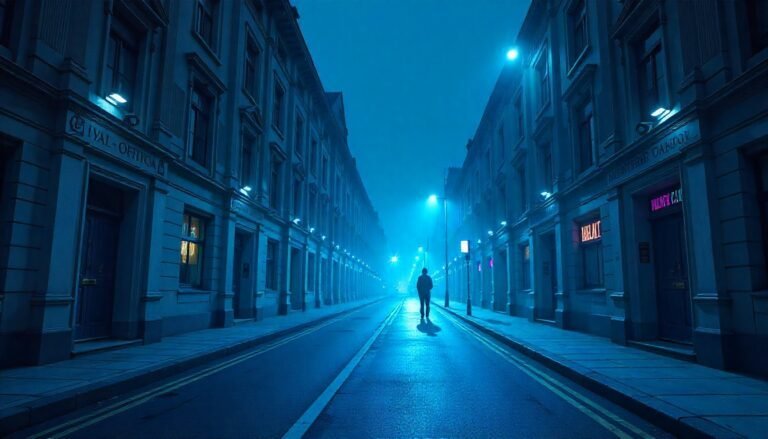
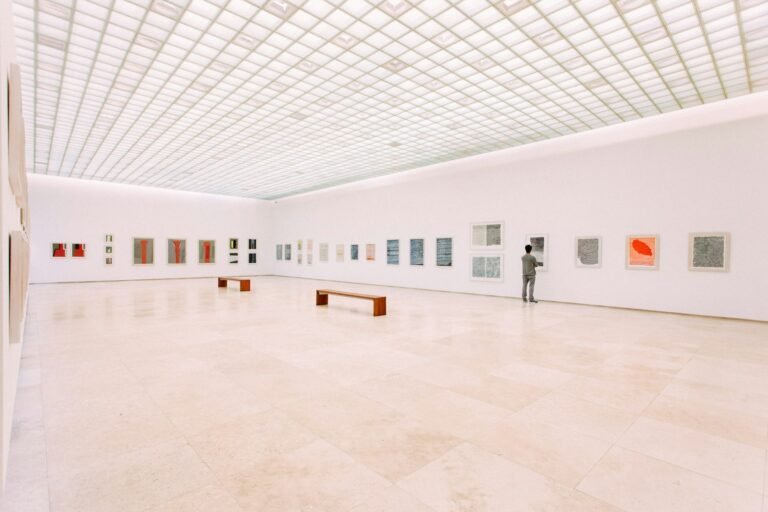
The importance of space cannot be overstated in installation art. Installation artists consider the environment as an integral part of the artwork. Space is not a neutral container but an active component. The artist examines how the architecture, lighting, acoustics, and surroundings influence the experience. This site-specific nature means installations are often designed uniquely for the location in which they are displayed. A cave, a museum hall, a forest, or a city street each offers different atmospheres and possibilities. Installation artists may alter the space using construction materials, lighting modifications, or spatial rearrangements. They transform the environment into a medium itself, making the space part of the concept. This approach traces back to artists such as Marcel Duchamp, who challenged the idea of space and context as far back as the early 20th century with his readymades.
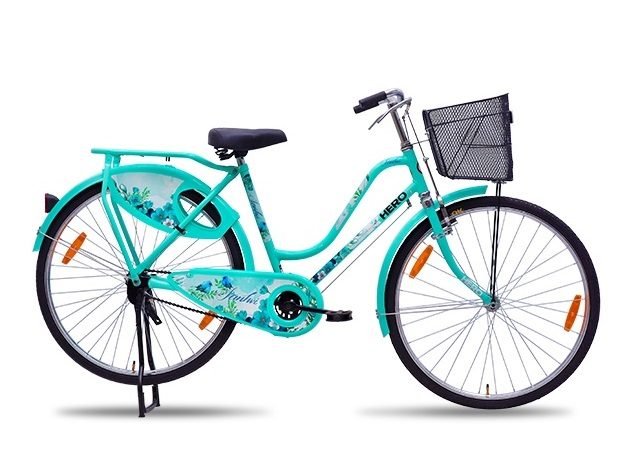
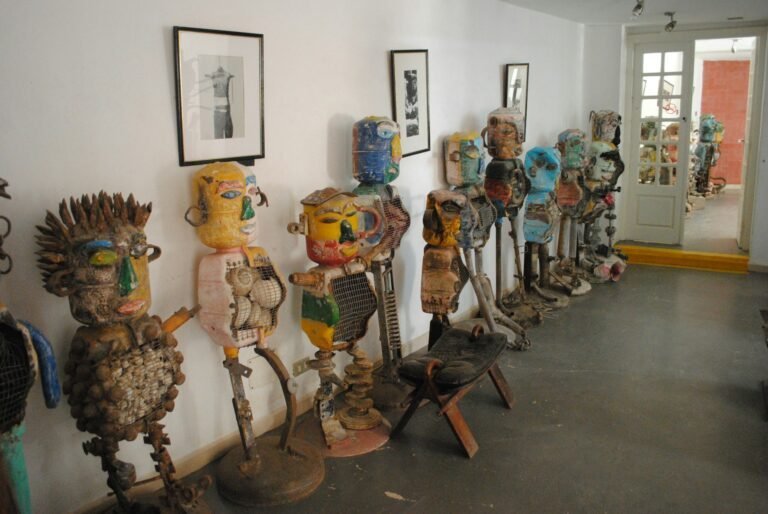
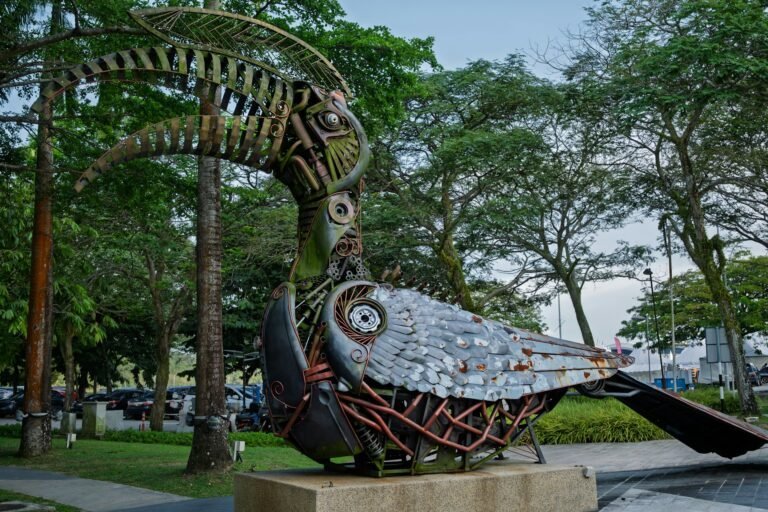
Another characteristic that distinguishes installation art is its use of unconventional materials. Installation artists often experiment with everyday objects, industrial materials, organic substances, digital technologies, or found items. They may incorporate video projections, sound systems, robotics, textiles, furniture, soil, water, or even living organisms. The choice of materials often reflects the theme of the work. For example, Ai Weiwei uses materials such as bicycles, life jackets, and seeds to symbolise mass production, migration, and political oppression. Olafur Eliasson uses natural elements like water, fog, and light to explore human perception of nature. Yayoi Kusama employs mirrors, lights, and patterns to create immersive infinity rooms. These materials become symbolic tools, allowing artists to communicate concepts through sensory experience rather than purely visual representation.
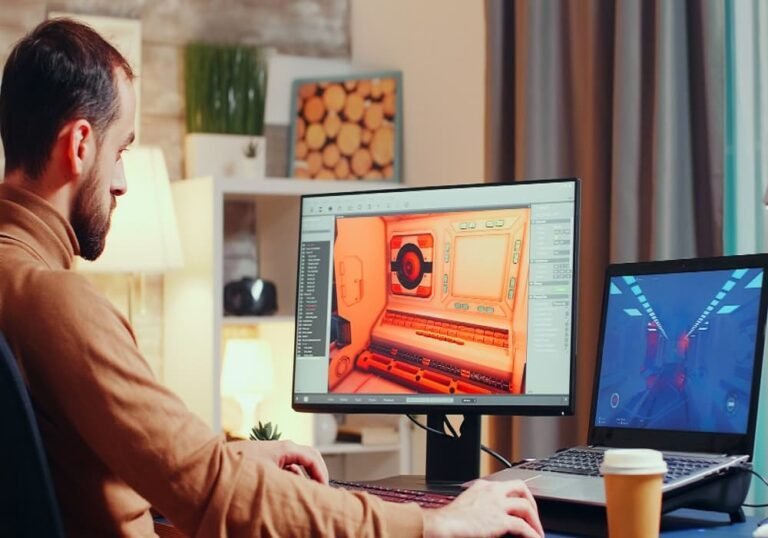
The process of creating an installation is often complex and methodical. Installation artists typically start with research, conceptual development, and planning. They study the site thoroughly, sketch ideas, and experiment with materials. Many installations require construction techniques similar to those used in architecture or theatre production. Artists may build structures, install electrical components, design lighting systems, or program interactive elements. Collaboration is common, with teams of assistants, engineers, technicians, or craftsmen helping to bring the concept to life. The installation process is also often iterative, with adjustments made as the work takes shape in the actual space. The artist must consider safety, logistics, material behaviour, and visitor flow, all of which shape the final outcome.
In addition to spatial and material aspects, installation artists also consider time as an important element. Some installations evolve with time—lights shift, sounds change, elements deteriorate, or visitors alter the space as they move through it. These temporal components add depth, making the artwork dynamic rather than static. An installation might simulate the movement of the sun, display real-time data, or change in response to human presence. By incorporating time, artists challenge the traditional idea of art as a fixed, unchanging product. Instead, the artwork becomes a process, an event, or a performance in itself.
The conceptual foundation of installation art also involves questioning conventions and redefining what art can be. Installation artists often challenge the institutional structures of the art world, critiquing gallery systems, social hierarchies, and cultural norms. Many installations are designed to disrupt expectations, creating discomfort, wonder, or introspection. They invite viewers to question their assumptions and reconsider their relationship with the world. This critical dimension makes installation art not just a form of expression but also a form of inquiry. It becomes a platform for social commentary, philosophical exploration, and cultural critique.
In a broader sense, installation art reflects contemporary society’s shift toward experience-based culture. In a world where people increasingly value experiences—whether through travel, virtual reality, or interactive media—installation art resonates strongly. Its immersive nature aligns with contemporary modes of engagement. Installation artists leverage this cultural shift to create works that are not merely visual but experiential, shaping how art is consumed, remembered, and discussed. This evolution has expanded the role of museums and galleries, which now often include dedicated spaces for large-scale installations that attract broad audiences.
Despite their diverse styles and approaches, installation artists share a commitment to pushing boundaries and expanding how art is defined and experienced. Their work demonstrates that art is not limited to objects but can be an environment, an atmosphere, a moment, or an interaction. They encourage viewers to move, feel, think, and experience art in ways that traditional mediums cannot achieve. Through their immersive and conceptual approaches, installation artists not only transform physical spaces but also invite audiences to explore new mental and emotional landscapes.
In conclusion, installation artists play a transformative role in contemporary art by creating immersive environments that fuse concept, material, space, and viewer experience. Their work challenges traditional notions of what art is and how it should be experienced. Installation artists are not merely object-makers; they are spatial designers, conceptual thinkers, and innovators who use a wide array of materials and interdisciplinary techniques to express ideas. Their art is defined by its experiential nature, its integration of space and time, and its engagement with social, cultural, and philosophical issues. By constructing environments that envelop the viewer, installation artists create powerful and often unforgettable encounters that transcend traditional boundaries of art. They invite us to step inside, participate, and reflect, making the experience of art something deeply personal and profoundly impactful.