Geometric design art is an artistic approach that uses shapes, lines, angles, and patterns to create visually structured and often symmetrical compositions. At its core, geometric art relies on mathematical principles, logical arrangement, and precise repetition, yet its outcomes can be expressive, emotional, symbolic, or purely decorative. The history of geometric art stretches back to ancient cultures—Egyptian, Islamic, Greek, Roman, African, and Native American civilizations all used geometric motifs in architecture, textiles, pottery, and symbolic ritual objects. These early uses were not only aesthetic but also functional, representing spiritual beliefs, cosmology, harmony, balance, and cultural identity. Over time, geometric art evolved from a traditional craft technique into a major visual art movement, especially during the 20th century when artists like Wassily Kandinsky, Piet Mondrian, Kazimir Malevich, and later Op Art pioneers such as Bridget Riley and Victor Vasarely explored geometry as a visual language. Today, geometric design appears everywhere—from digital design and branding to architecture, interior decoration, tattoos, fashion design, and contemporary fine art.
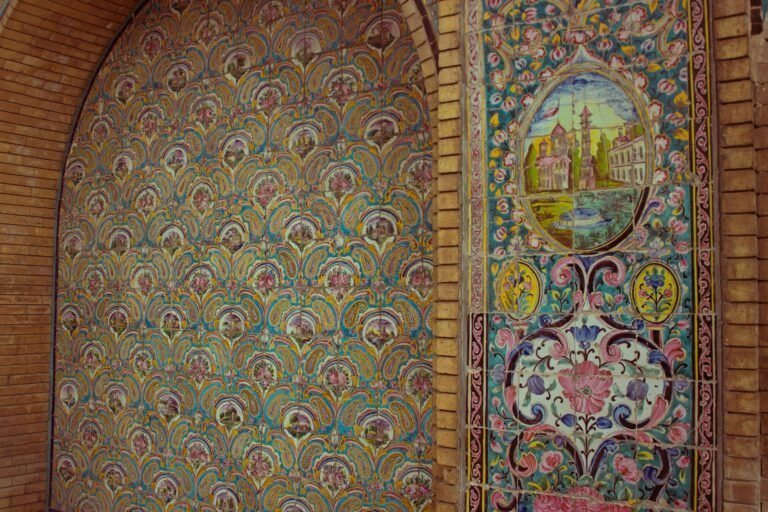
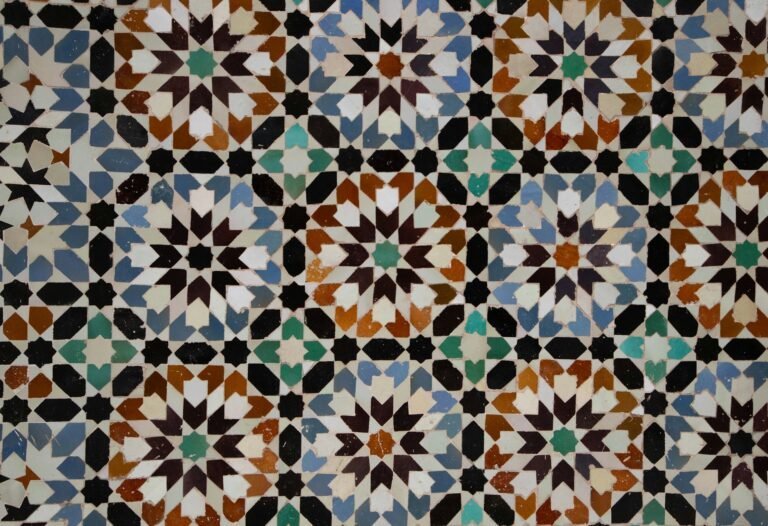
At the foundation of geometric design are shapes—basic forms like circles, squares, triangles, rectangles, polygons, and complex or irregular forms derived from mathematical transformations. Each geometric shape carries its own visual meaning and psychological impact. The circle, for example, symbolizes unity, infinity, completeness, and continuity because it has no beginning or end. Triangles can represent stability when upright, but dynamism or tension when tilted. Squares and rectangles embody order, reliability, and symmetry. Polygons like pentagons, hexagons, and octagons create intricate visual possibilities, especially when repeated in tessellations or mosaics. These shapes become building blocks that artists combine, distort, rotate, mirror, or layer to create sophisticated visual systems. In many traditions—especially Islamic art, Greek meanders, African Kuba cloth, or Indian rangoli—the use of geometric shapes is carried out with extreme precision, resulting in patterned artworks that appear rhythmic, harmonious, and often symbolic.
Patterns are the next essential component of geometric design art. A pattern is a repeated visual element that creates rhythm, continuity, and structure in a composition. Geometric patterns can be simple—like stripes, grids, and checkered designs—or incredibly complex, involving recursive shapes, symmetrical arrangements, spirals, interlocking forms, and tessellations where shapes fit together without gaps. Pattern repetition can be linear (one direction), radial (around a center point), symmetrical (mirrored along an axis), or fractal (small parts imitate the structure of the whole). Patterns give geometric design its characteristic optical power, sometimes creating illusions of motion, depth, or vibration even on a flat surface. For example, Op Art relies heavily on contrasting shapes and repeated lines to fool the eye into perceiving waves, pulsations, or shifting planes. In contrast, mandala patterns use radial symmetry to create balanced, meditative designs that reflect spiritual concepts of the universe, harmony, and inner balance. In digital graphic design, geometric patterns appear in UI design, branding systems, and modern minimalist visuals because they convey clarity, efficiency, and sophistication.
One of the most powerful aspects of geometric design is symmetry. Symmetry is a sense of balance and proportion that makes a design appear stable and harmonious. There are several types of symmetry used in geometric art: reflection symmetry (mirroring across a line), rotational symmetry (rotating around a central point), translational symmetry (repeating in a direction), and fractal symmetry (self-similarity across scales). Symmetry is pleasing to the human brain because it suggests order, predictability, and natural structure. Yet asymmetry is equally important, especially in modern art, where slight shifts or distortions in symmetrical networks create energy, tension, and visual interest. Islamic geometric art is one of the most sophisticated uses of symmetry, where patterns repeat in infinitely expandable forms that symbolize the infinite nature of creation. Meanwhile, modern designers might deliberately break symmetry to guide the viewer’s attention or create a focal point within an otherwise structured layout.
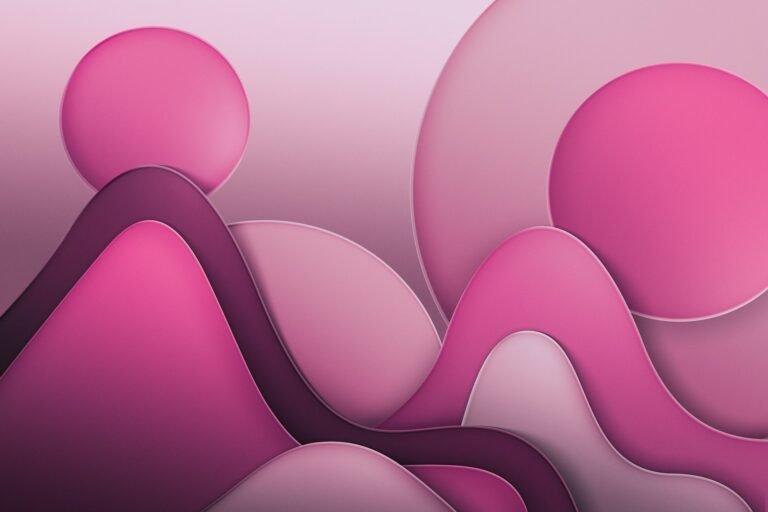
Color also plays a fundamental role in geometric design. While early geometric art in pottery or textiles often used natural pigments and limited palettes, contemporary geometric works can be bold and vibrant. Color can emphasize or diminish certain shapes, create contrast between forms, or unite the composition into a cohesive whole. Some designs use monochromatic schemes to highlight structure, while others use contrasting or complementary colors to create dramatic visual impact. Mondrian, for example, used primary colors to strengthen the clarity of his grids, while Op Art often uses black-and-white contrast to intensify optical illusions. In digital design, geometric patterns are often combined with gradients, transparency effects, and layered vectors to create depth and motion. Thus, color is not just decoration—it is part of the geometric system, shaping perception and emotional response.
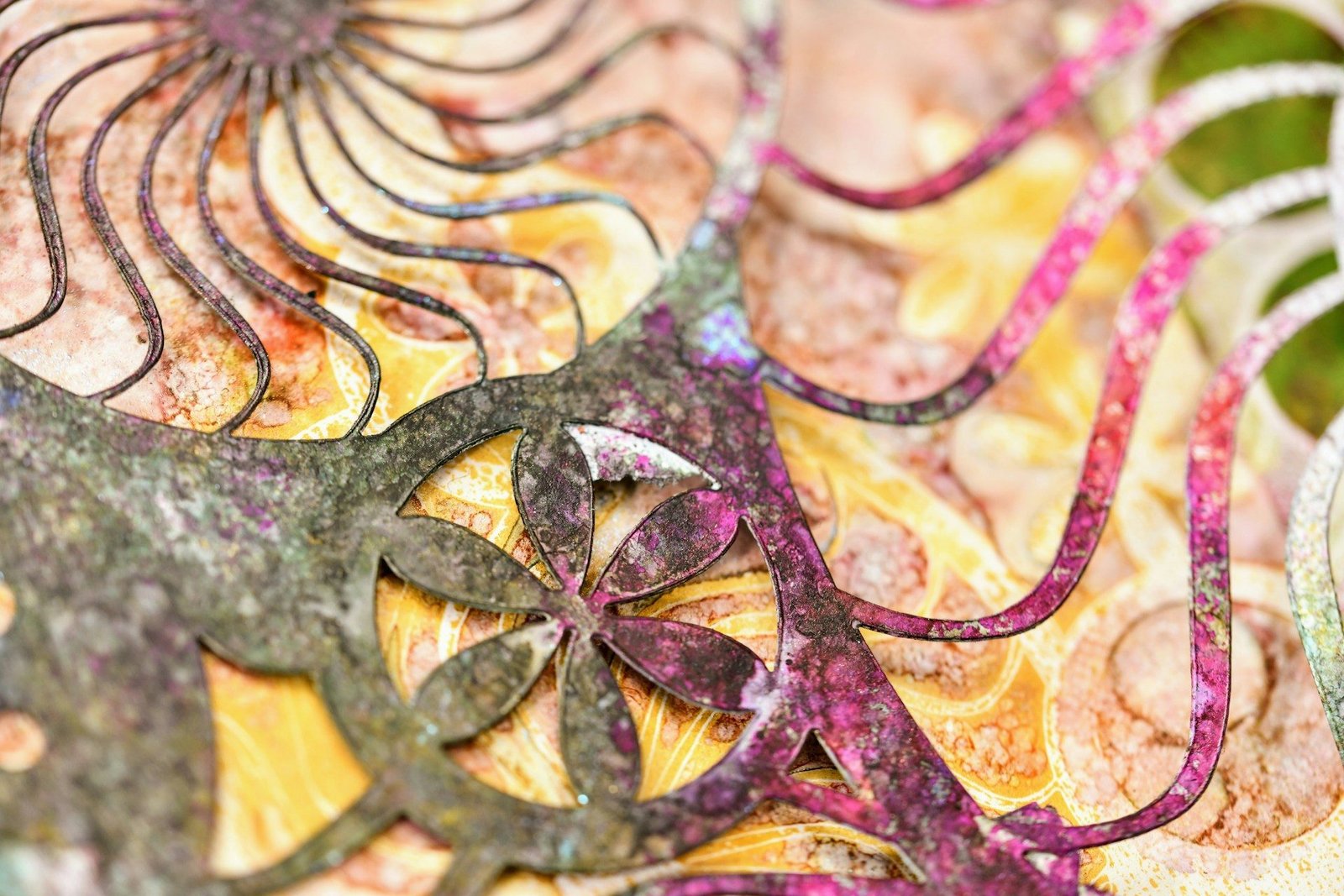
Texture and line quality also influence geometric design. Although geometry is often associated with sharp edges and flat surfaces, artists frequently experiment with texture, shading, and line weight to create more dynamic compositions. Lines can be thin or bold, continuous or broken, curved or angular. These variations generate different moods: thin lines may produce delicate or technical impressions, while thick lines appear bold and structural. Texture can be created through cross-hatching, layering, or digital effects, adding complexity to otherwise simple shapes. In graphic design, textured geometric patterns add personality and depth to backgrounds and layouts. In architecture, geometric design translates into physical materials—glass panels, steel beams, stone tiles—each contributing its own tactile quality. Thus, geometric art is not limited to flat surfaces but can extend into physical and digital environments.
A significant aspect of geometric design art is its connection to mathematics. Geometry involves rules, formulas, and proportions that artists use intentionally or intuitively. Concepts like the golden ratio, Fibonacci sequence, and fractal geometry are often embedded in geometric artworks, giving them a natural yet mathematically precise sense of order. Tessellations, famously studied by the Dutch artist M.C. Escher, are mathematical systems where shapes repeat perfectly without overlapping. These designs blend art and math in visually striking ways. Even artists who do not consciously apply mathematics often rely on geometric instinct—balancing compositions through visual symmetry, spacing, and proportion. This interaction between creative intuition and mathematical structure makes geometric art unique, bridging analytical thinking and emotional expression.
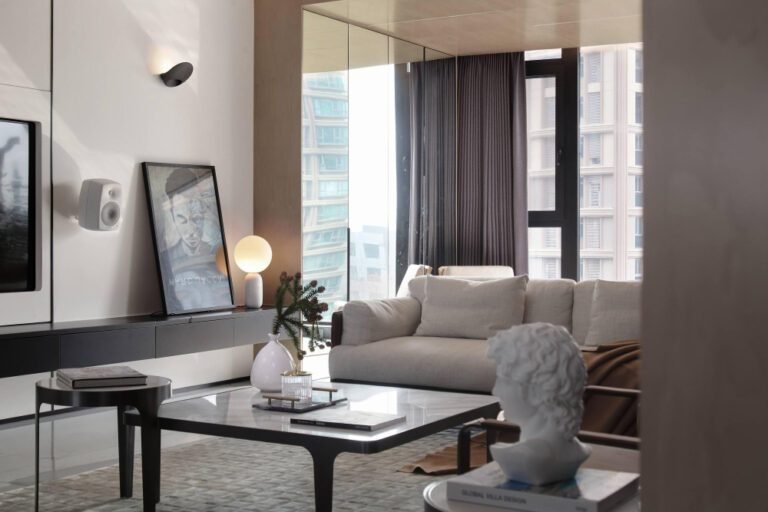
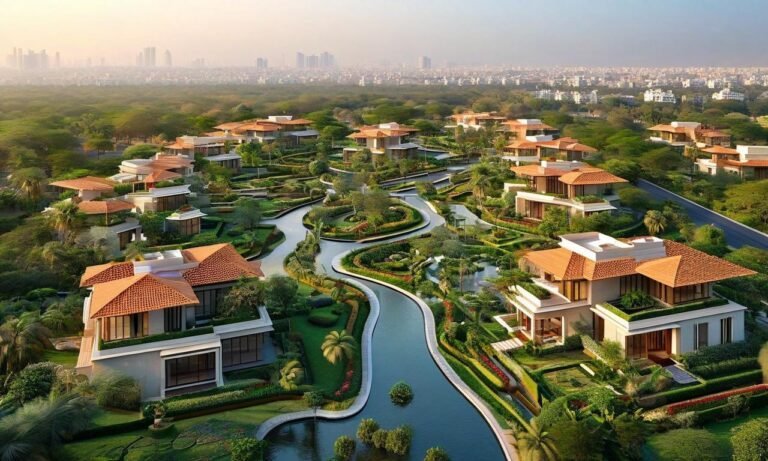
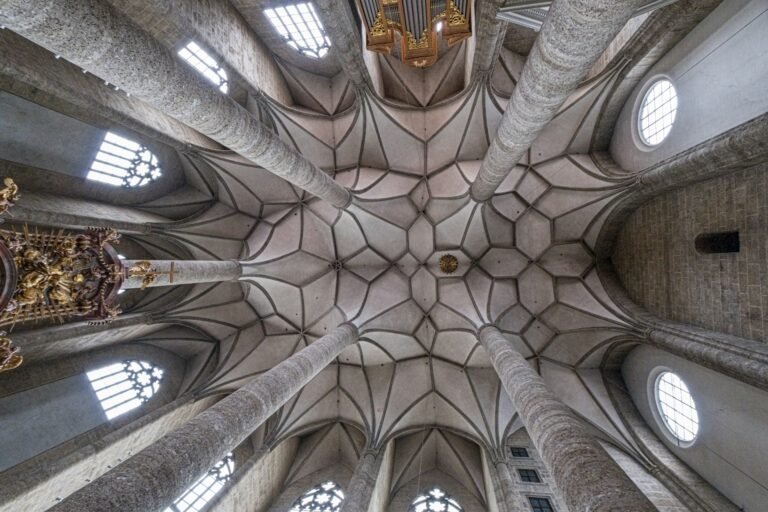
Geometric design art also plays a major role in architecture and interior design. Buildings rely heavily on geometric principles for structural stability and visual appeal. From the pyramids of Egypt to the domes of Islamic architecture, from Gothic cathedrals to modernist skyscrapers, geometry defines architectural identity. Modern architecture, influenced by Bauhaus principles, uses clean lines, rectangular forms, and modular patterns. Contemporary interiors often use geometric wall art, patterned tiles, and furniture with angular or curved shapes to create stylish and balanced environments. Even city planning incorporates geometric patterns—grids of streets, circular plazas, radial road systems—demonstrating how geometric design shapes human movement and experience.
In modern graphic design, geometric patterns and shapes have become essential tools. Geometric logos—for companies like Adobe, Google Drive, Mastercard, Airbnb—use simple shapes to convey strong brand identities. Triangles may suggest growth or direction; circles communicate unity and friendliness; squares represent stability and reliability. Designers often use geometric grids to structure layouts, ensuring alignment and harmony. In digital art, geometric vector illustrations are popular for their clean, scalable, and contemporary look. Geometric abstraction in illustration simplifies complex forms into basic shapes, creating minimal, elegant visual storytelling. Social media graphics, website UI elements, infographics, posters, packaging, and animations all frequently incorporate geometric patterns because of their versatility and clarity.
Culturally, geometric design is rich with meanings. Islamic geometric patterns often reflect philosophical and religious concepts—unity, infinity, and the order of creation. African geometric textiles like Kente or Kuba cloth use patterns to communicate social status, identity, and heritage. Native American geometric beadwork and woven patterns represent stories, spirits, and natural cycles. Celtic knots symbolize continuity, interconnectedness, and eternity. Hindu mandalas represent cosmic order and spiritual pathways. Although geometric designs appear simple on the surface, they often carry deep symbolic meanings, connecting art to culture, belief systems, and collective memory.
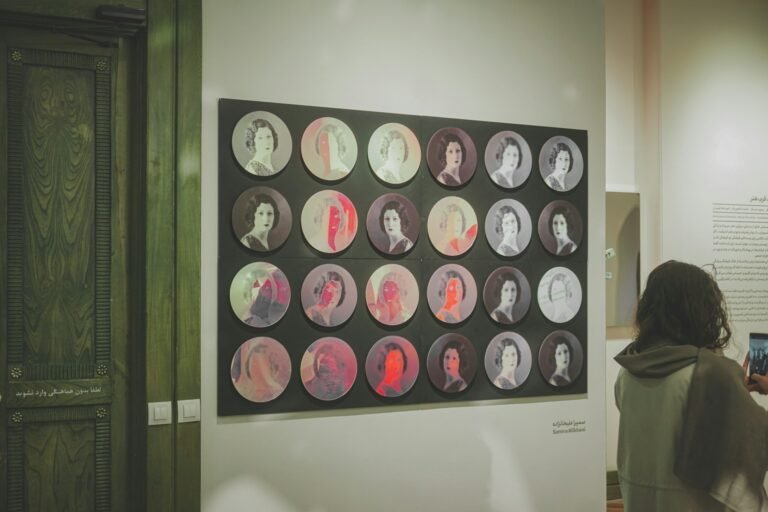
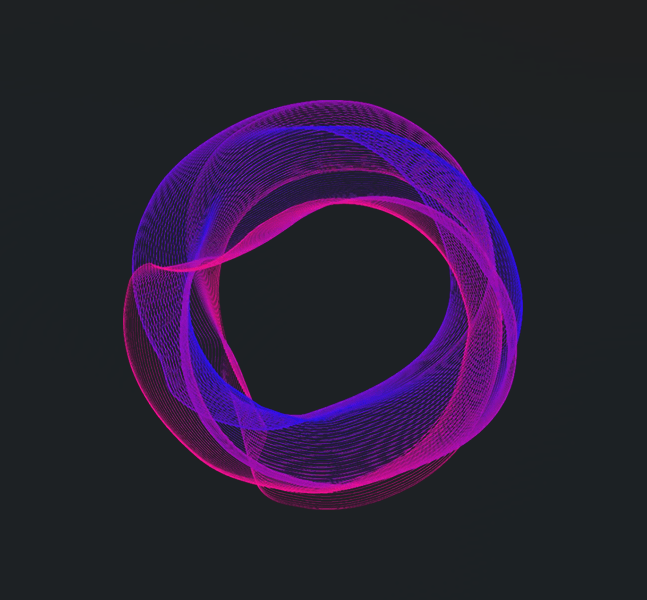
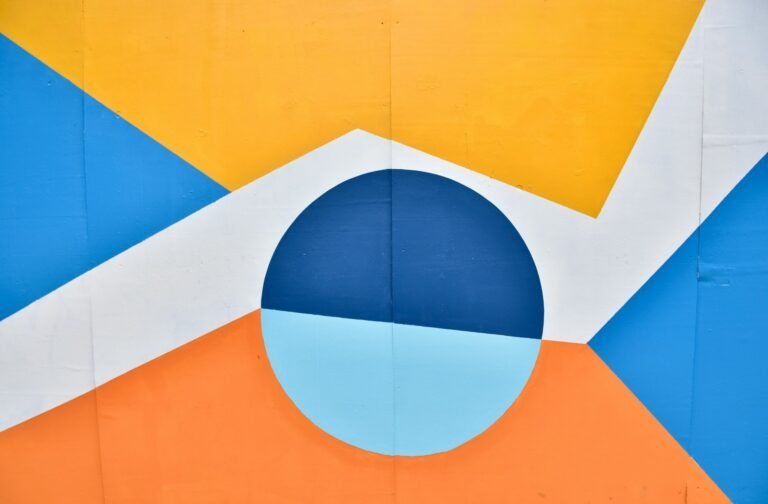
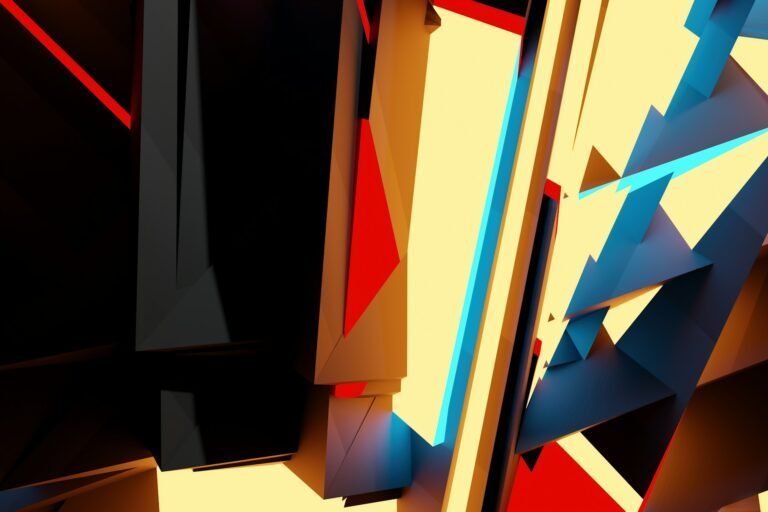
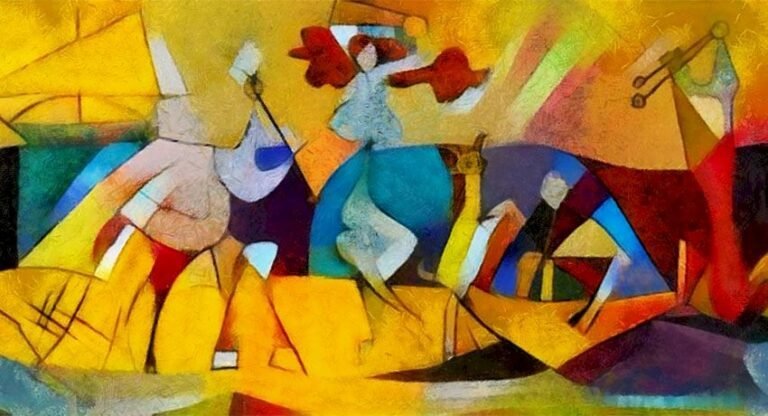
In contemporary art movements, geometric design continues to evolve. Geometric abstraction strips art down to its essential forms, focusing on shape, color, and structure rather than realistic representation. Artists use geometry to challenge perception, explore space, and play with visual logic. Minimalist art employs simple geometric forms to emphasize purity, calmness, and essential qualities. Digital and generative art, powered by algorithms, produces complex geometric patterns that would be impossible by hand. These artworks demonstrate how geometry remains relevant and adaptable across time, technology, and artistic innovation.
Even in everyday life, geometric art is everywhere, whether intentionally noticed or not. In fashion, geometric prints appear on fabrics, jewelry, handbags, and footwear. In home décor, lamps, rugs, wallpapers, and tiles often follow geometric styles. Games, puzzles, and toys—like tangrams, Rubik’s cubes, and pattern blocks—teach basic geometric thinking. Tattoos often use geometric symbols to express personal meanings or aesthetic balance. Even corporate presentations and data visualizations use geometric elements to organize information effectively. This universality shows that geometry is not just an artistic technique but a fundamental visual language we constantly engage with.
Ultimately, geometric design art is a powerful fusion of creativity, logic, mathematics, culture, and emotion. It transforms simple shapes into complex visual systems, turning order into beauty and repetition into rhythm. Whether used for symbolic meaning, optical illusion, cultural expression, or modern aesthetics, geometric design remains timeless and adaptable. Its patterns can be meditative or energetic, minimalistic or elaborate, traditional or futuristic. The power of geometric art lies in its ability to communicate without words—through balance, symmetry, contrast, and structure. It invites viewers to perceive patterns in chaos, harmony in complexity, and beauty in simplicity. As long as human beings continue to explore the relationship between form and meaning, geometric design will remain an essential medium of artistic expression. Because it exists at the intersection of art and mathematics, intuition and logic, the ancient and the modern, geometric design art is not only a visual practice but also a way of understanding the world through structure, harmony, and form.